
There is an old adage that small checks ward off expensive ones, and it holds true in the case of your plumbing. A once a month look over your hot water system, taps, toilets, drains and any leaks will spare you from water damage, mould and an emergency bill to put a damper on what was otherwise a fine Saturday.
Isla North has put together this guide to tell you when to call in a licensed plumber and how often to make your own inspections, as well as what one should make of the seasons in various parts of Australia. Consider it sound advice for the homeowner, but do not mistake it for a replacement for local bylaws or the work of a professional.
Making a Routine of It
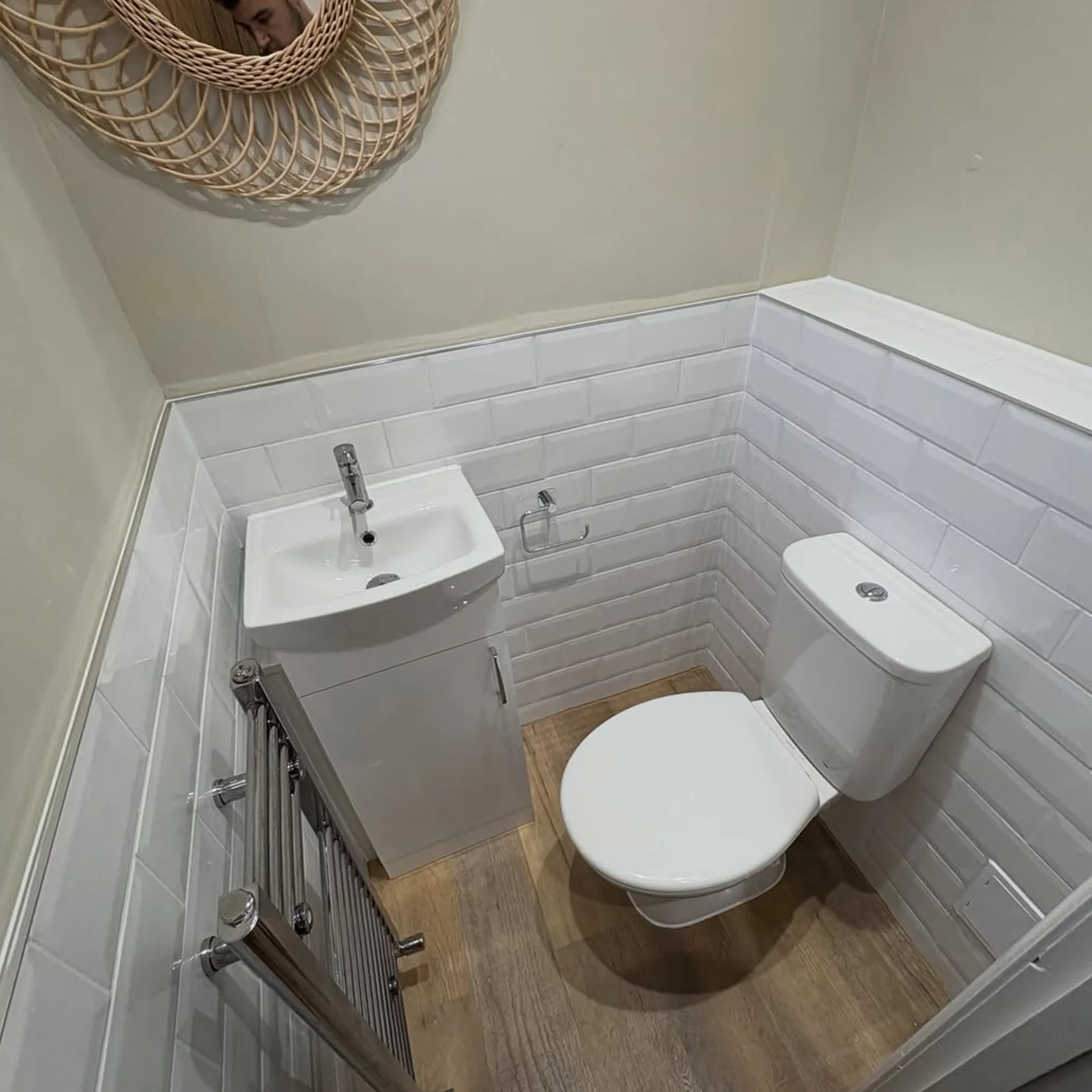
A good maintenance schedule is one that is sensible and divvies up the work into monthly, quarterly and annual items. That way the chores are not onerous and you can spot a cistern leak before it has made a mess of the bathroom floor, or a slow drain turning into a blockage. For a practical reference, see the plumbing maintenance checklist australia guide.
Quiet problems are where most people are caught napping. There is nothing to it if a tap drips after dark or a toilet refills of its own accord, or even an inexplicable hike in the utility bill. Yet they are early warnings that should be looked into.
The Scope of Maintenance
Preventative maintenance means you are on top of visible pipework, valves, water pressure, outdoor connections and the like. You will also want to see that gutters and downpipes are unobstructed and that pot plants or other household clutter have not put a barrier between you and a shut-off valve.
For your records you might file them under plumbing maintenance checklist australia guide, but be specific in your notes. Put down the date and what was done, note any odd noises, take a picture of anything amiss and the name of the licensed plumber if he did some work.
| Task Group | Frequency | Checks Per Year | Main Benefit |
|---|---|---|---|
| Quick indoor inspection | Monthly | 12 | To find running toilets and leaks in their infancy |
| Fixture and drain review | Quarterly | 4 | Less water waste and blockages |
| Seasonal preparation | Before the weather turns | 2 to 4 typically | For wet weather, frost, storms or heat |
| Professional inspection | Annually / as required | 1+ | For ageing systems and risks out of sight |
Take the table as a planning aid rather than something you are obliged to do by law. More frequent attention may be called for with an older property, coastal corrosion or high water pressure.
Damage Prevention on a Monthly Basis
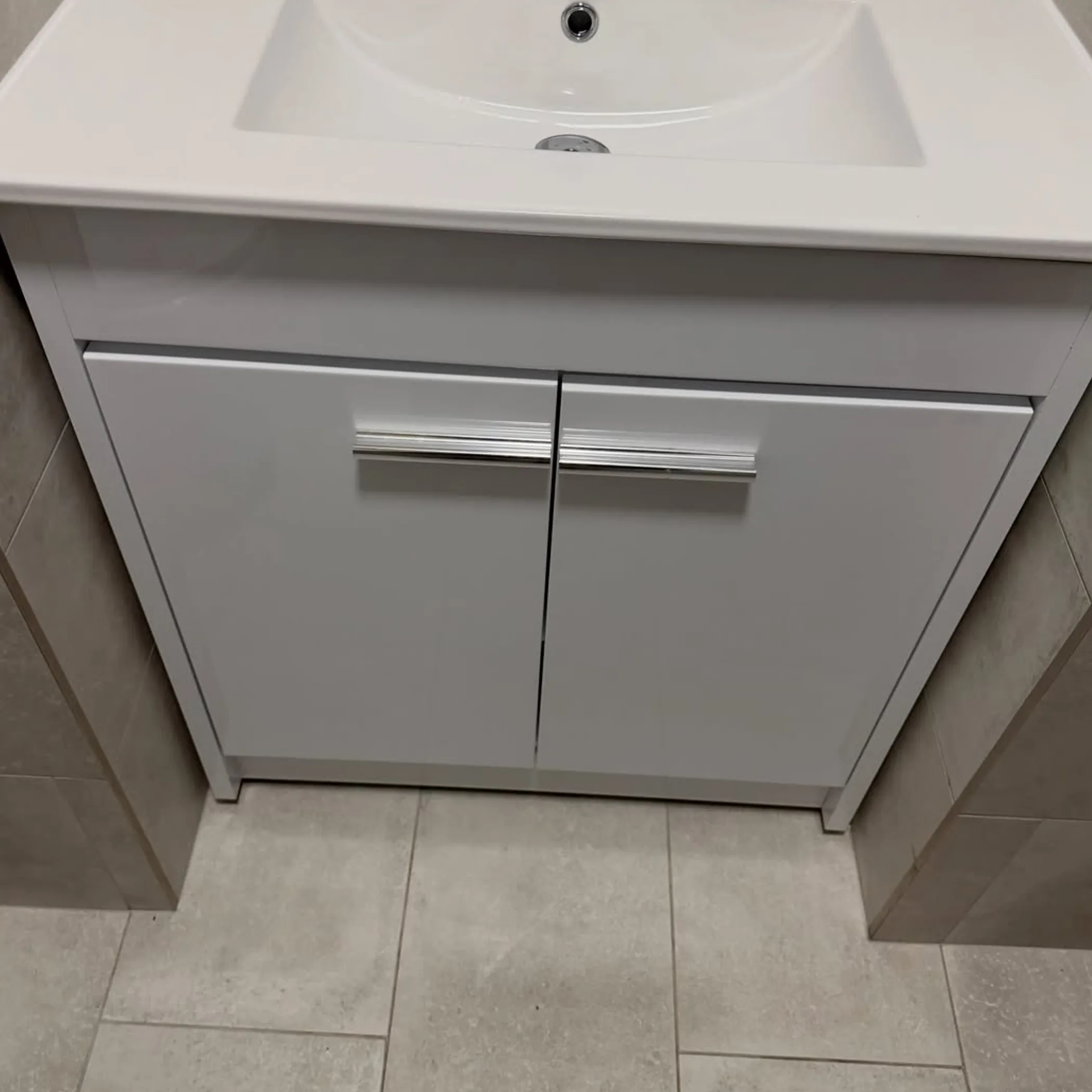
In the course of 15 to 30 minutes you should be able to do your monthly round in a typical home so long as you can get at the fixtures without difficulty. The idea is to observe and put your ear to things, not to start taking them apart.
I can vouch for the folly of thinking a tap that requires an extra twist to stop is of no consequence. I let it go until the washer gave up entirely while I was out for the weekend. A dull lesson, but it taught me to put pen to paper if a fixture does not perform as it used to.
Fixtures and Leaks
Under the kitchen and bathroom sinks, behind the washing machine and near any exposed joints are places to be found. Dampness in a cabinet, a musty odour, bubbling paint or staining are all things to look for. Do not be fooled by a dry surface; check once more after use.
See if there is any poor flow or temperature fluctuation with the showerheads and faucets. Mineral deposits on an aerator can be cleaned off. But leave a corroded fitting alone, you do not want to make a broken fitting out of a minor job and have to ring for emergency help.
Toilets and Drains
If a toilet is refilling without having been flushed, pay attention. A little food colouring in the cistern will show you if there is a silent leak (you will know if it shows up in the bowl) but do not resort to tablets or chemicals that could harm the innards.
As for the basins and sinks, watch how they drain. Gurgling or a bad smell is usually a sign of build-up. And put away the harsh drain chemicals for old pipework, especially if a plumber is likely to have to come in later.
Shut-Off Valves
Make sure you can get to the main isolation valve. Give it a test provided it is safe and put it back where it belongs. If the valve is seized, do not put force on it. There is no point in standing over a floor of water and rooting around in a cupboard for the valve when a leak occurs; being in the know as to where it is will put back much of the time.
Put some clear markings on the valve so all the adults in the house are aware of its position. Tenants should put in a call to the property manager to be told where the valve is and what the emergency contact procedure is. A photo of the valve on one’s phone is useful to have when dealing with a plumber.
- Check for mould, dampness, corrosion or any visible leaks.
- Test toilets for cisterns that run or refills that seem odd.
- Observe sinks and showers for gurgling or a lack of flow.
- Inspect taps, showerheads, aerators and flexible connections.
- See if the isolation valve is easy to get at and properly identified.
- Go over utility bills to account for any water use that cannot be explained.
Seasonal Work For Australian Homes
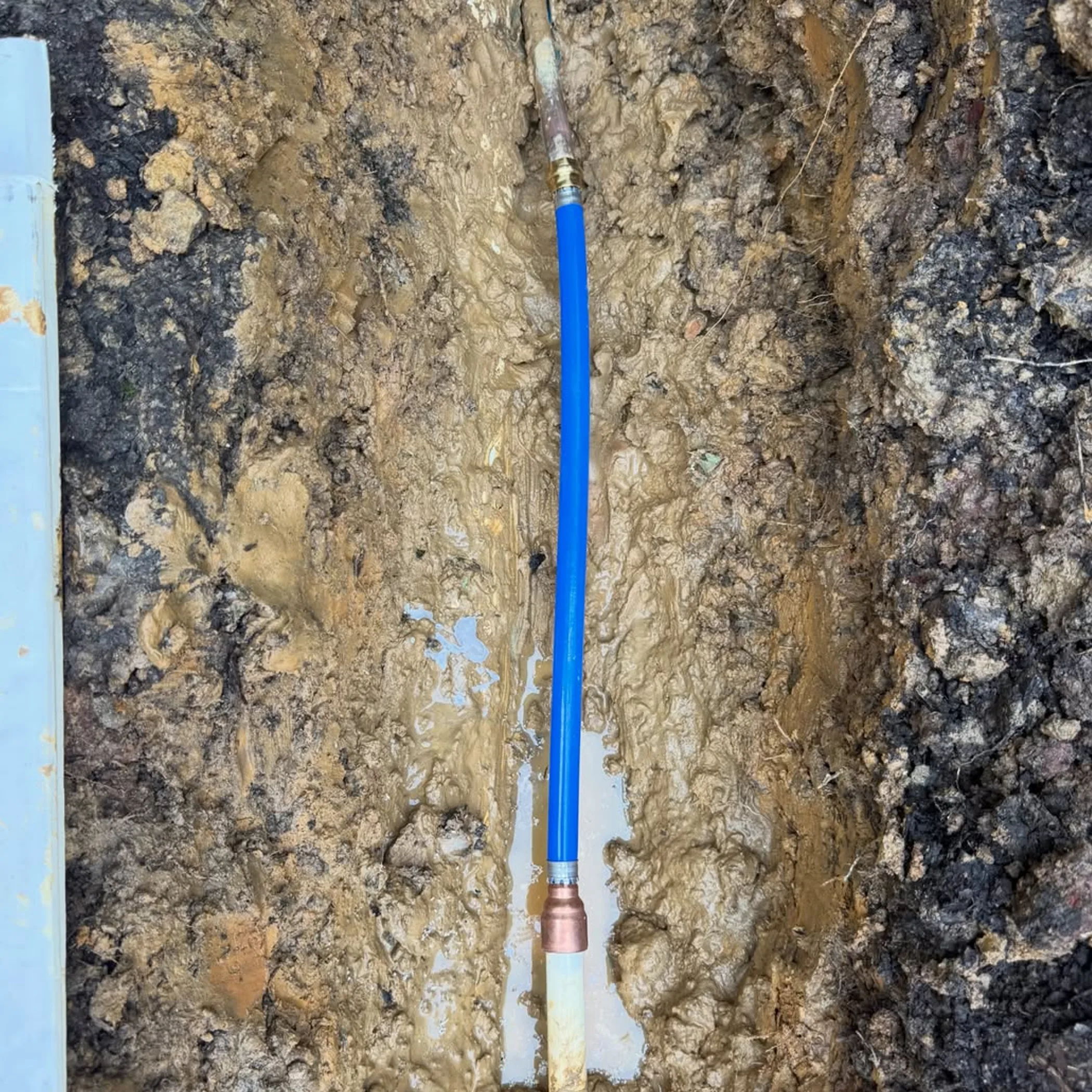
Plumbing maintenance from one end of Australia to the other does not follow the same routine. You have Adelaide, Canberra and the inland with their dry heat, cold nights and occasional storms; then Cairns and the Top End have to make ready for cyclones and the wet season. The mix of intense rain, tree growth and coastal exposure is different still in Sydney, Brisbane, Perth, the Gold Coast and the Central Coast.
It is a question of timing with seasonal work. Get round to the outdoor plumbing before the weather turns, since you would not relish unblocking a downpipe in the middle of a storm any more than you would a mozzie in your tent.
Prepare Before Storm Season
Take out the leaves, mud and nesting material from gutters and downpipes. Make sure the downpipes are discharging in a safe manner and there is no water pooling by the paving, foundations or retaining walls. After a protracted dry spell fittings can shift or go to pot, so look for leaks in the irrigation lines, hose connections and outdoor taps.
When it is dry you may not see them but heavy rain will lay bare any weaknesses in the drainage: ponding, grates that overflow, a yard drain that is slow to work or water making its way into the garage or lower levels. Do not wade into floodwater to have a look at drains and keep clear of any electrical equipment or services that are under water.
Heat, Cold And Coastal Air
Outdoor taps and cooling equipment are put to greater demand in the heat. See that hoses are not left under pressure on old fittings. In the colder climes of Tasmania, elevated country or parts of Canberra exposed pipework has to be shielded from freezing if the local weather warrants it.
Metal fittings and hot water components will corrode faster in coastal air. Those living on the coast of Perth or the Central Coast, or near the beaches of Sydney and the Gold Coast, should be in the habit of looking for salt deposits, rust and any connection that is on the way out.
Trees And Ground Movement
Large trees with established roots close to an older clay pipe or one that is damaged can intrude on the underground drainage. If a drain seems to be getting better only to slow down again, or there are wet patches in the yard, repeated blockages, gurgling and bad odours, these are tell tale signs.
A chemical cleaner in a bottle is not going to fix it. It is best to have a licensed plumber do a CCTV drain inspection to put his finger on any damage, displaced joints or sediment before he puts forward a repair.
- Before wet weather, clear gutters, inspect downpipes and check surface drainage.
- Before summer, inspect outdoor taps, irrigation lines and hose fittings.
- Before winter, check exposed pipes and hot water performance where local conditions call for it.
- After severe weather, look for leaks, flooding, blocked drains and ground movement.
Annual Checks Worth Booking
Some annual checks are worth booking. A checklist allows for a review of the entire property and not just the day to day fixtures, which is handy when selling up, renovating, or taking on an older home after a long trip away. It is not about replacing everything; a sound inspection will separate what is in good order from what requires attention before it is an emergency.
Review The Whole Property
Have a look at the pipework, valves, hot water equipment, toilets and the like. Are there any fittings with staining, patch repairs or signs of movement? Check that landscaping or stored items have not put access points out of reach.
Bills will give you some statistical evidence as to how the home is performing. An uptick in water use could be a running toilet, damage to the irrigation or something else entirely. Compare the figures from this period with others rather than take one aberrant reading as gospel.
Consider A Professional Inspection
If the property has a history of blockages, the water pressure is poor or fluctuates, or the hot water system is unreliable, put in an order for a licensed plumber. Old pipework, a large garden full of mature trees or indications of water damage are all reasons to have a professional come and do a pressure test, check the drainage or run a CCTV inspection.
What an Australian homeowner in 2026 puts down for plumbing maintenance will depend on the work at hand, the age of the system, location and access, what parts are needed and how urgent it is. You might expect a simple inspection to be cheaper than dealing with the aftermath of water damage on an emergency basis, but make sure to get a written scope and ask if there are any call-out or after-hours fees for investigation.
Hot Water And Flexible Connections
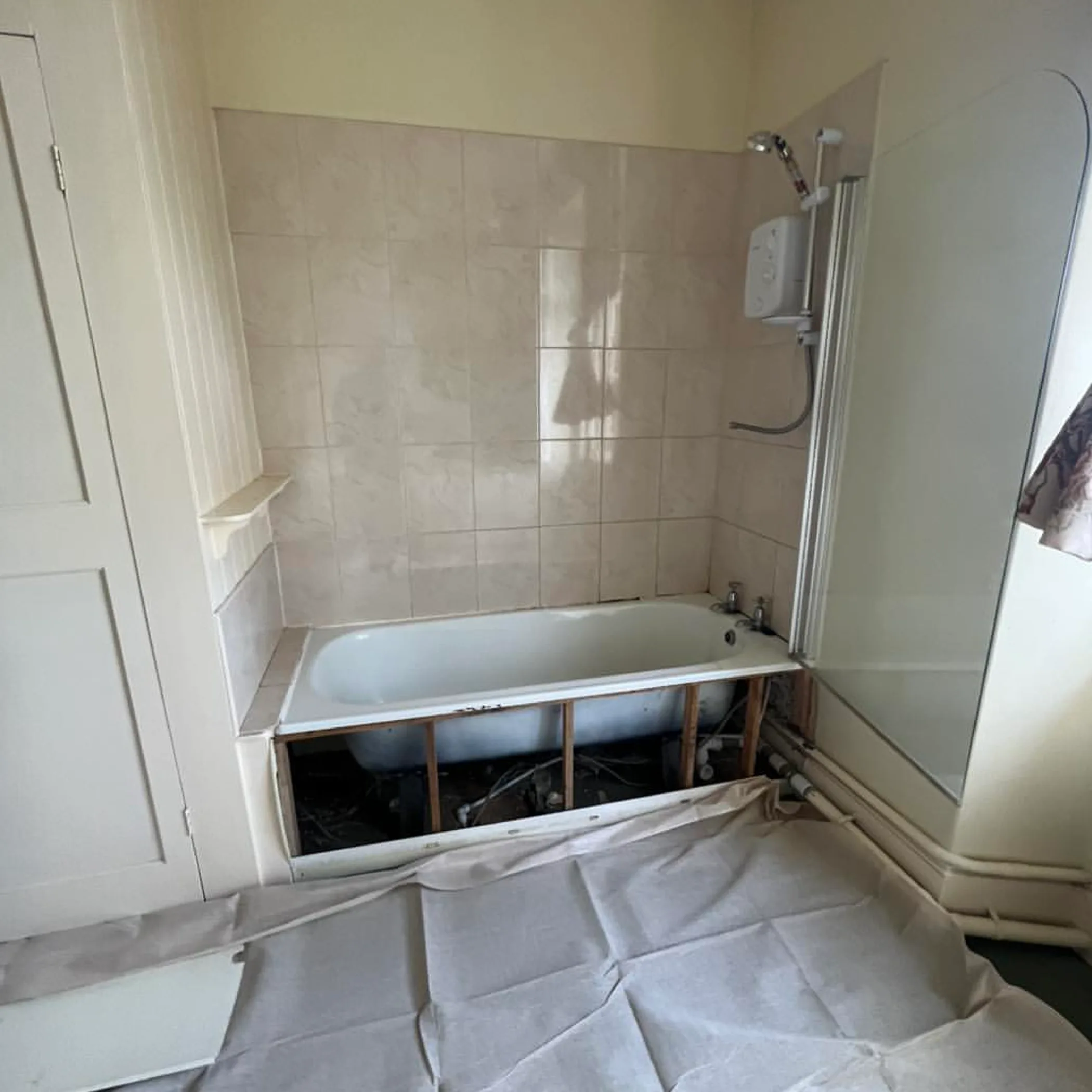
One has to give hot water systems some thought given they are a mix of electrical or gas, pressure, heat and water. Should a unit be on the way out it will tell you by way of odd noises, water pooling at the base, rusty water from the tap, leaking valves or a temperature that will not hold.
For your part, do not tinker with the covers, put hands on gas components or pressure-relief gear. Observe the manufacturer’s instructions for maintenance and keep the area around it uncluttered. A whiff of gas means to shut off the supply, provided it is safe, vacate and put in a call to the relevant emergency service or a licensed professional.
Check Pressure And Flexi Hoses
An abrupt change in water pressure could be a sign of a leak, blockage, a problem with the supply or a pressure-reducing valve giving up. Taps, appliances and flexi hoses will be under more strain from sustained high pressure. Banging pipes or a connection that sprays are reason to seek a professional opinion.
The same goes for flexi hoses near a washing machine or behind the toilet and under the sink; they are readily overlooked. See if there is any moisture at the ends, kinks, rust or a bulge in the braiding. An obviously worn hose should be replaced before it has a chance to burst.
Efficient Fixtures
Put in water-efficient showerheads, taps and toilets where they are right for the household and it can cut down on waste. The Australian Government’s Water Efficiency Labelling and Standards scheme is the place to go for official product and rating information.
But do not let efficiency stand in for performance. A toilet that requires multiple flushes is not up to the task and a low flow shower only invites one to stay in longer. Make sure the operation is as reliable as the savings.
When To Get A Plumber
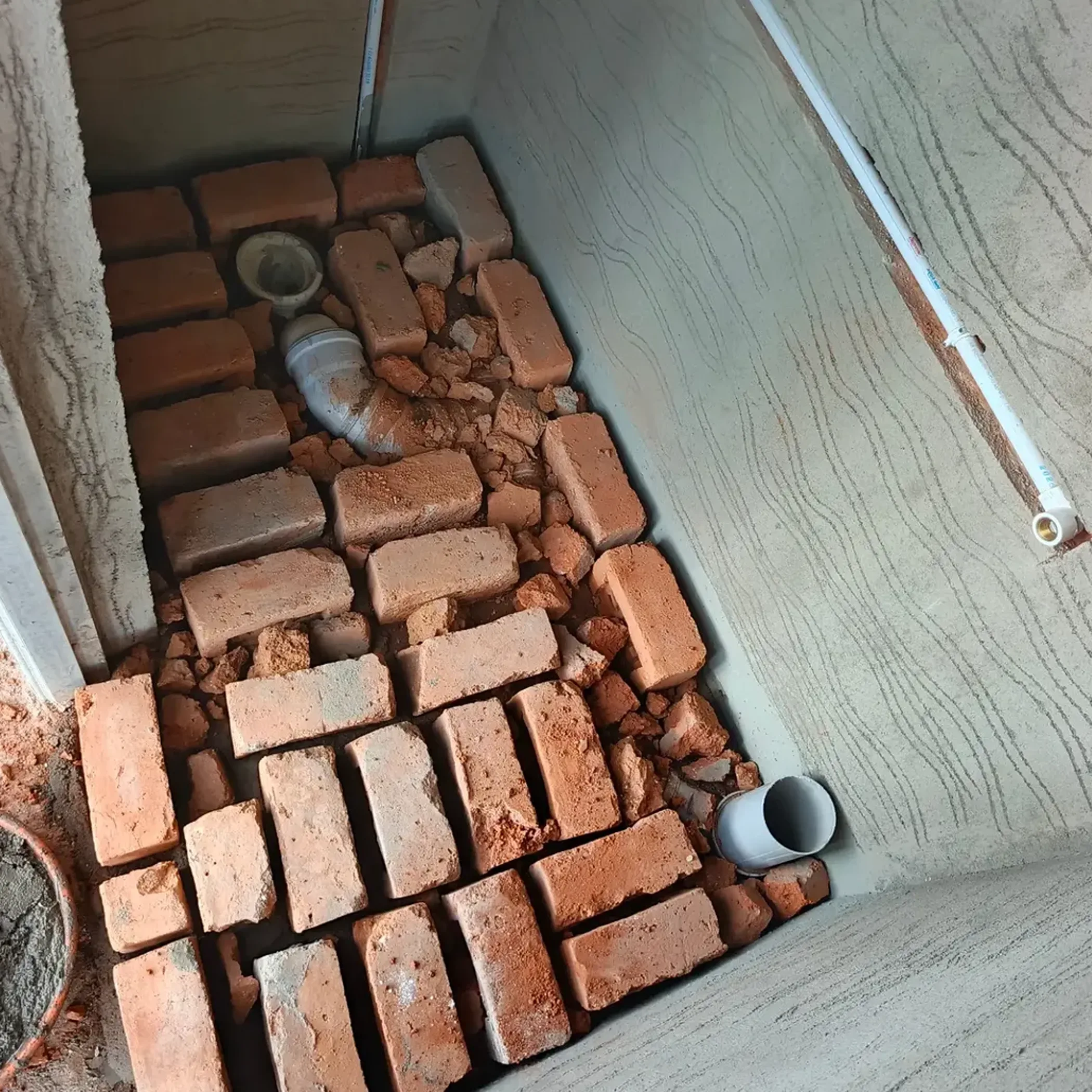
There is some maintenance a homeowner can handle, but leave fixed pipework, sewer connections, backflow prevention, gas and the like to a licensed plumber to evaluate. States and territories have their own rules so find out what is in force for the property.
Do not hesitate to call in the event of a burst pipe, sewage overflow, an uncontrolled leak, a suspected gas problem or water in the walls and ceiling. Isolate the water and see that people are kept from any slippery or contaminated ground if you can do so without risk.
Make The Right Call
A dripping tap can be put down for a routine repair before it becomes something else. With drain blockages that come round time and again, enquire as to the cause instead of footing the bill for a stop gap measure. Where backflow is a concern and public health is at stake, employ a qualified professional.
In booking, be specific about the symptoms and the age of the property, note any past repairs and ensure the plumber can get to the main valve and fixtures without trouble. If you are in central Canberra, Sydney or Brisbane where parking is at a premium, set the access arrangements when you book to avoid a hasty inspection.
Plumbing Maintenance FAQs
We address some of the usual points of confusion here, from the 135 rule to what separates a checklist from an inspection by a pro.
What Of The 135 Rule?
Do not take the “135 rule” as a blanket national rule for every home in Australia. It is more likely to be local parlance, a trade term or pertain to a particular product or training. For compliance and safety matters put the phrase aside and have a licensed plumber spell out what is required for your property or consult the state or territory authority.
Scope Of Plumbing Maintenance
You would have this cover anything from running toilets and cistern leaks to slow drains, water damage and unusual pressure. It extends to the hot water system, outdoor plumbing, gutters and downpipes, irrigation and checking for tree root intrusion or corrosion.
Most Overlooked Task
Checking the main isolation valve and flexible hoses is frequently left to the wayside by homeowners. They are conveniently located in service areas or behind the appliances. Leaks hidden behind a wall or under the floor are another matter often not noticed until there is staining, mould or the utility bill shows it.
Inspection Frequency
A monthly visual check is in order, with a quarterly review of drainage and fixtures. Older homes or those with known risks warrant a professional once a year. Do it more often following a renovation or severe weather and when water use changes.
On DIY Drain Products
They are not to be used on old or compromised pipework and can be a hazard for whoever comes to open the drain later. Follow the directions and never put chemicals together. If the blockage is back and causing gurgling in more than one fixture, get some advice.
Get Ahead Of Trouble
There is no need for a complicated checklist in Australia, just inspect monthly and seasonally, have the system seen to annually and act early. Leave the valves accessible, put a camera to any problems and for anything beyond a clean up use a licensed plumber.
In the end the most economical repair is the one you put in place before the leak has room to run. Put the house through its paces this month; the pipes may not say thanks but your floorboards will be better for it.