
Queensland Island Seasons
There is a simple way to answer the question of dry versus wet season for the tropical islands of Queensland. From May through October one will find the clearest skies, least humidity and most dependable activities. The months of November to April are when you get warmer water and monsoonal rain along with a verdant rainforest and less predictable conditions for getting about. One is not to be dismissed over the other, they just make for different holidays.
Tropical weather teaches flexibility, I have found as Isla North. A rainy forecast is not an invitation to hole up in the resort laundry, but then again the wet season has a way of altering your swimming or ferry plans in short order. The dry season is straightforward enough for those making their first visit; if you are after waterfalls and a bit more elbow room, the wet can be quite good.
Queensland Islands At A Glance
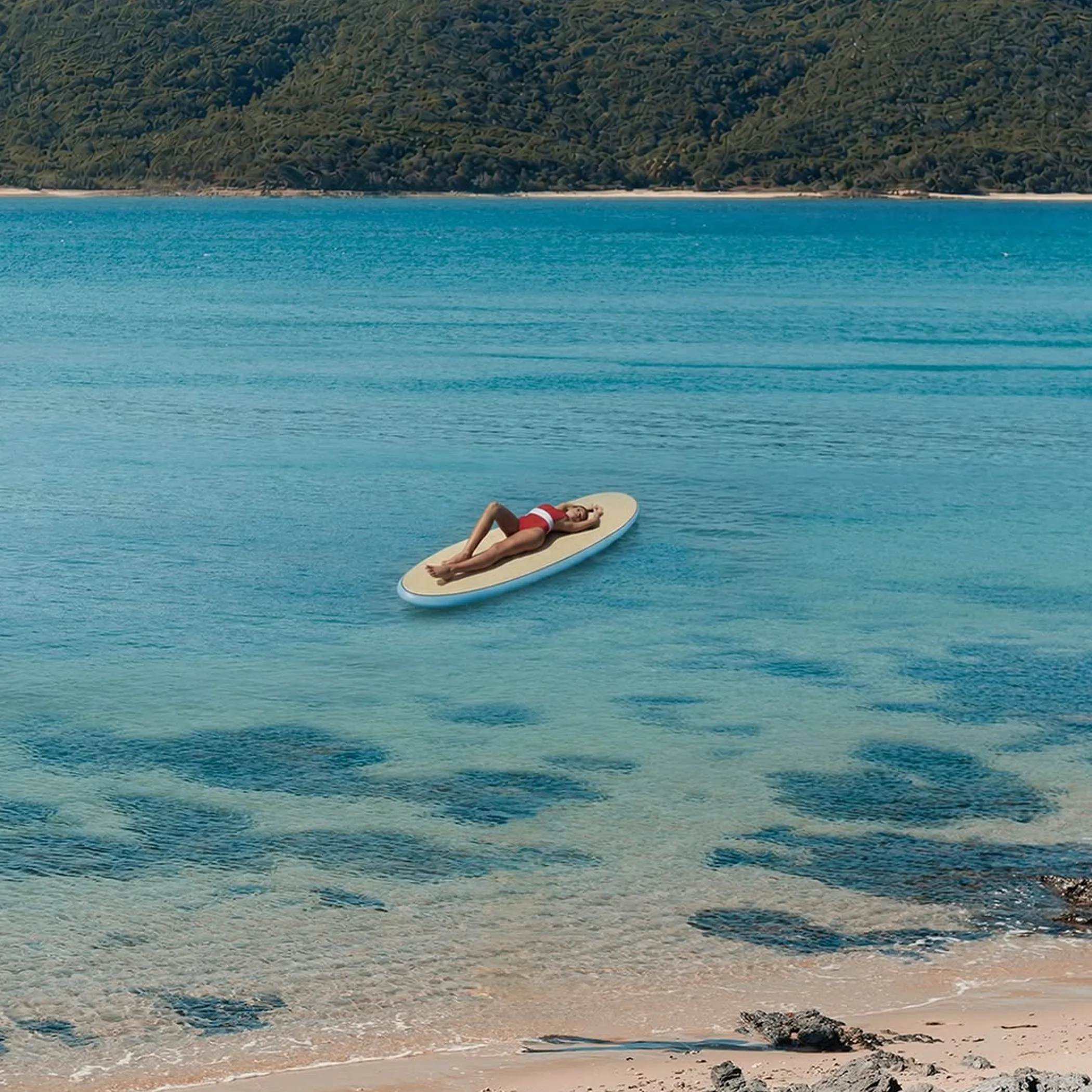
Put this side by side to see which season fits your priorities before you put down money on a reef tour or book your boat transfer. Consider it the equivalent of making sure you have your mozzie repellent in the bag before you go out the door.
| Planning Factor | Dry Season (May – October) | Wet Season (November – April) |
|---|---|---|
| Season length | Six months | Six months |
| Weather pattern | More settled, drier and less humid | Warmer, humid and of a variable nature |
| Rainfall | Less of it overall, though you may get a shower | More rainfall to contend with, heavy showers and monsoons included |
| Sea conditions | Comfortable for a reef trip or boat transfer | Prone to change in the event of cyclones or storms |
| Water visibility | Favourable for the most part, location and recent weather permitting | Heavy run-off can diminish it |
| Wildlife and landscapes | Good for whale watching and the like | Active scenery, lush rainforest and waterfalls in full flow |
| Best for | Divers, families and first-timers | Photographers and those who do not mind a little rain |
Do not read these as hard and fast rules. You could have a bluebird morning in January in tropical North Queensland or a day of wind and wet in July. It is best to consult the Bureau of Meteorology for current climate data prior to travelling, should a boat departure be in the offing.
The Dry Season

When Queensland travellers speak of the dry season they are referring to the stretch from May to October. The air is not so heavy, there is less rain and the clear skies lend themselves to putting in a full day on the water while still being warm, making it the ideal timing for island escapes.
What The Dry Feels Like
In Cairns and the islands, mornings in the dry can be of a pleasant mildness, June to August in particular. An early boat transfer might call for something light to put on but the tropical warmth is back by late morning. Humidity is better in check than in the wet, so much the better for any time spent on a walking track or at a picnic spot.
It is not entirely rain-free either, and the odd shower or a bit of wind can put in an appearance. What you get is predictability and more days in a row where the weather does not give you trouble.
Why Visitors Prefer May To October
Visitors will tell you that between May and October is when to be on the Queensland islands. The calm water and touring conditions are ideal if you have put your name down for non-refundable reef activities and time is short. Then again it is a popular time, school holidays in particular. You may find the day tours as packed as sardines and accommodation books up in advance. To have a quieter stay, book the important transfers early or avoid the holiday rush.
The Wet Season
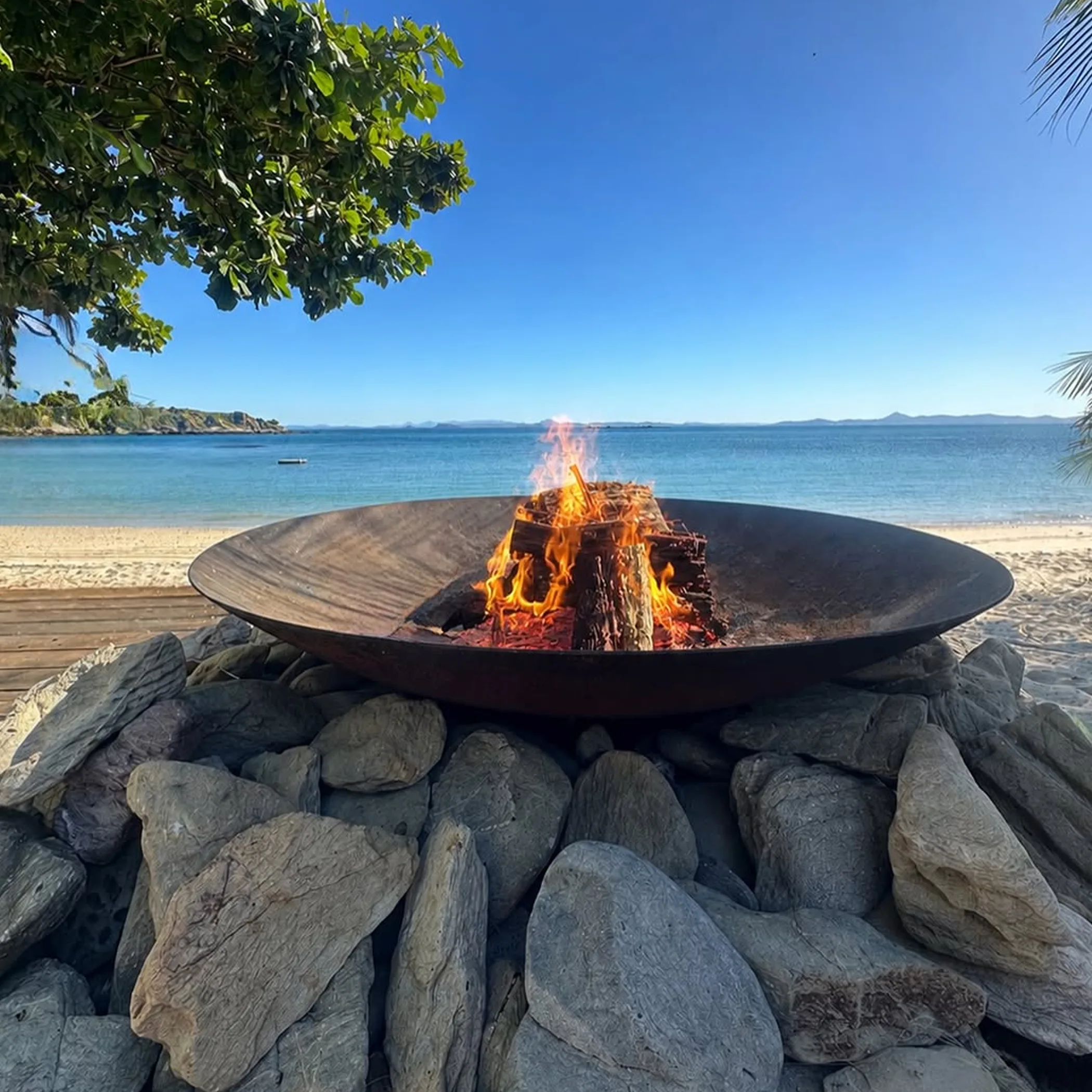
From November to April the wet season makes itself felt in Queensland. It is wetter and more humid but not six months of unbroken rain. Expect intense spells of it with the sun coming out in between.
Rain, Heat And Humidity
North Queensland can put on a show. You are having lunch under a palm tree and in the next instant the rain is lashing the deck as though a bucket was tipped from the roof. Thunderstorms in the afternoon will bring rougher water and lightning.
Then there is the humidity to factor in. It will be harder work to walk and a short track can leave you in a sweat in a way the dry would not. Your clothes will be slow to dry. Have a dry bag and insect repellent to hand and be prepared for some indoor pursuits.
Cyclones And The Traveller
One has to factor in the risk of cyclones when putting together a plan for northern Queensland between November and April. An island holiday can be put in jeopardy by a cyclone even without one making landfall; they have a way of scuppering reef excursions, shutting down walking tracks, causing flight delays and halting ferries.
It is better to heed what the operators and official warnings say than to be at odds with the weather. As for travel insurance, it will only be of use for weather disruption if the policy permits, so make sure to look over the exclusions before parting with your money. There is little point in a cheap policy that leaves you exposed to the very thing you are concerned about.
Island Conditions In Perspective
The season dictates more than just the need for an umbrella. It will determine how onerous a walk is, what is visible below the surface, the length of your transit and if a day trip is feasible.
Getting To The Islands
Ferries, water taxis and tour boats from Cairns, Port Douglas or elsewhere on the mainland are how most get to the islands. Fitzroy Island is popular with those in Cairns as you can do rainforest, beach and reef in a single outing.
With wet-season departures put some time in hand. Wind or a storm on the water and an operator will change the route or timing. Do not book a flight right after an island transfer; a late boat and an airport connection with no margin are a wretched combination. Have your booking details to hand and be there early.
Visibility: Reefs And Beaches
Both seasons have their merits on the Great Barrier Reef but the visibility is subject to tides, wind, river run-off and where you are. A spell of heavy rain will cloud the coastal waters for a while, then a lull in the wet season may see conditions improve. For the uninitiated or anyone susceptible to seasickness the dry season is easier to work with for a dive or snorkel. In the wet season, do not presume all locations are alike; enquire with the operator as to the particular site.
Tides And Rainforest Tracks
Tracks in the wet season can be muddier and slipperier than the distance would have you think. You may have to put up with water on the path and take your time with your footing; some creek beds or low ground will be out of bounds after a downpour. See what footwear is called for.
Then there are the tides, relevant on any coastal track or beach. What is a good width at low tide can narrow off quickly. Heed the signs and do not go clambering on rocks that are not stable. Should a track be closed, consider the sign to be sound local advice rather than something to be defied.
Water Activities
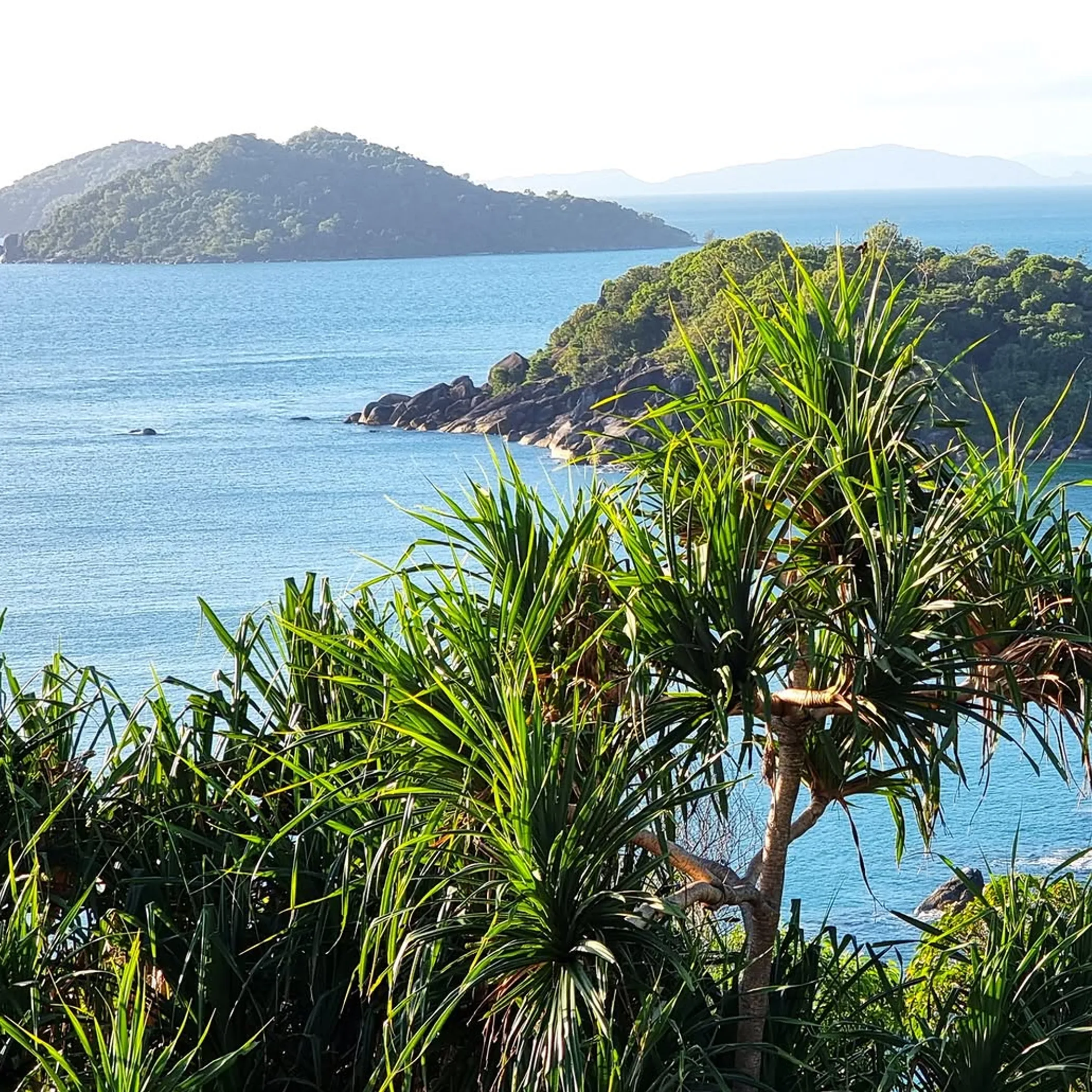
What you want to do in the water will be the arbiter of which season to pick. Diving, whale watching, swimming and the like are all at the mercy of the sea and wildlife.
Swimming And Snorkelling
Settled weather of the dry season makes for a more pleasant swim or snorkel. But do not think the tropical marine hazards are gone come May. Where a stinger suit is suggested, wear one and listen to the locals. Stick to the areas set aside for it and lifeguard directives; a beach that appears calm is not necessarily safe. Keep the children close in the water.
Diving
While the dry season is the preference of divers for its clarity and reliable logistics, a seasoned operator will put on a trip any time of year the conditions are right and the wet season can be rewarding after a few days of good weather. Beginners should opt for an itinerary that is flexible on cancellation. Find out if there is a long open-water crossing and what the plan is if the weather puts paid to it. Seasickness before you have even had a snorkel does not make for a glamorous reef experience.
Whales
The cooler months are when one goes whale watching, so the dry season is apt for including it in your plans. But these are encounters with wildlife, not a fixed engagement and you will not get guarantees from any decent operator.
Make allowance for a delay in Cairns or wherever you are leaving from so the rest of the holiday is not compromised. Squeezing three boat trips into two days is no substitute for having a spare day.
Rainforest And Wildlife

There is a different feel to the islands in the wet season. The rainforest is a vivid green, the waterfalls are in full flow and the tropical wildlife seems to be at its most active, if the heat and rain require a degree of patience.
When Greenery Wins
For moody tropical vistas, waterfalls in full flow and a rainforest at its most verdant, the months from November to April are to be preferred. Fitzroy Island has a special draw for those who would like to put in some beach time after a forest walk, as long as they are amenable to the odd shower putting paid to their plans.
A photographer will make more of the cloud cover and wet-season hues than of an unbroken expanse of blue; one should come equipped with a waterproof covering for camera and phone, lens protection and clothes that do not take long to dry. A plastic bag is hardly elegant but it has done more to preserve travel electronics than any amount of optimism.
Wildlife Without Overpromising
What one sees in the way of wildlife is a matter of the island, the habitat and prevailing tides and weather. Heed local advice on where to find turtles, wallabies, seabirds and so forth, and from a respectful vantage point. Food and scraps are to be kept off the table at picnic or camp sites and animals must not be fed.
In the north you need to be croc-wise. Do not assume a placid looking photograph means an island beach is devoid of marine or crocodile hazards. Observe the signs, stay out of waterways where swimming is forbidden and put questions to the staff as to how things are.
Travellers and the Seasons

Every traveller does not have the same ideal time to be on a Queensland island. It is a question of what activities one would miss and not be sorry for, and how much humidity and inflexibility with bookings can be put up with.
Families And First Timers
The dry season is the wiser plan for a family or anyone new to the area in search of untroubled outdoor pursuits and easy transfers. Make your boat and accommodation reservations for the school holidays at the earliest opportunity. An island where facilities are close at hand and walks are short is best. Take along rash vests, dry clothes for the trip back, sun protection and reusable bottles. There is no better reason to plan ahead than to avoid wet backpacks and children.
Divers And Adventurers
Those with a firm itinerary, hikers and divers will find May through October more to their liking. The dry season affords better odds of seeing a programme through even if conditions are not entirely predictable. An adventurous type might relish the wet season and be able to alter activities to suit the forecast, but it is not for the sort of traveller who requires every tour and transfer to adhere to a set schedule.
Quiet Getaways
Away from the peak of the holidays the wet season is calmer, though that is not synonymous with empty or cheap. Check the terms on accommodation, the rules on cancellation and what is available for transfers before you commit. If the aim is to take it easy on the island, have a good base and sheltered dining and do not make a single boat trip the centrepiece of the holiday; then a bit of rain does not ruin the whole of it.
To Have A Smoother Escape

Seasonal planning of a good kind is largely to do with sidestepping stress you can do without. Be clear on your mode of getting to the island, which of your activities can be put off to another day and what the procedure is when the weather puts a stop to service.
Packing Checklist
- Light rain jacket, swimwear, sun protection and clothing of a light weight.
- Repellent for insects, a dry bag and something to protect the phone, plus a water bottle that can be refilled.
- Walking shoes with a sure grip, a necessity on the rainforest tracks in the wet season.
- Seasickness or other medication as may be needed for personal health.
- Some provisions in case of delay, within the bounds of local regulations on rubbish and wildlife.
A Weather Buffer
When time is of the essence and you have but a day, put first the activity of consequence and opt for the easiest way in. A direct transfer to an island from Cairns is more practical than trying to fit in a protracted reef cruise, a rainforest trek and multiple forms of transport.
Be conservative with your return. In the wet season especially, one would be unwise to book the final boat of the day right up against an event or flight of importance; should conditions become rough, the operator’s safety considerations will not be dictated by your dinner plans.
An Honest Budget
You can have an island holiday that is an elaborate multi-night affair or a modest day out. The bulk of the expense will be in the accommodation, getting there and back, food, any park or camping fees, and tours of the reef or wildlife.
Prices and what they cover are subject to change so do not commit without verifying them with the operator and the park. See if the fare extends to meals, transfers, luggage, snorkelling gear and the like. What seems a neat headline price will not be so once the add-ons start to mount.
Some FAQs
Travellers have certain questions when they are deciding on a season. While the answers here are brief, the particulars of the island and forecast will inform your choice as much as where you are departing from.
Queensland’s Wet Season Months?
In the tropics of Queensland it runs from November through April. Expect more rain, humidity and thunderstorms, and some alteration to your travel plans as a result. That said, the rain does not come every day and those with a flexible disposition will have no trouble putting in a good time on the island.
Is There a Bad Time for Cairns?
Not in any absolute sense. But for a traveller wanting settled weather and low humidity along with set boat times, November to April is the most demanding. For waterfalls and greenery it is fine, provided you keep an eye on official warnings and have a spare day or two.
Tropical or Subtropical in Cairns?
It is tropical, with its drier and wetter periods. Warmth is to be had most of the year though the seasons bring marked differences in the way the climate is felt in terms of storms and rainfall.
The Great Barrier Reef and Cairns: When to go?
May to October will serve you best for a mix of good reef-trip conditions, skies that are clear and humidity in check. Visibility in the water is at the mercy of tides, wind and the reef location, so put it to your operator as to the local state of play.
Wet Season Island Visits?
Certainly, for the kind of traveller who has a plan B and can put up with the heat and rain as well as the tropical foliage. Not so much if the day is strictly timed.
Making Your Decision
For a short itinerary or family activities such as diving and snorkelling, a Queensland island holiday is more straightforward from May to October. Go in the November to April window for a quieter time and to see the rainforest and waterfalls in all their lushness, albeit with a degree of dependence on the weather.
Ultimately the ideal time is what suits your priorities and how much uncertainty you are prepared for. Make sure to review the marine safety advice, tides and the forecast before you depart, and allow for the tropics to be what they are.