
What is on offer this year? For the most part, between December and February an Australian shopper will come across no end of fresh seasonal fare, be it stone fruit, mangoes, melons, berries, tomatoes, capsicum or beans. But you would do well to have a flexible shopping list rather than go to market insisting on the one perfect peach; the precise timing is at the mercy of the growing region, transport, and whatever heat, frost or rain has been in evidence.
My name is Isla North. One does not have to be of a certain culinary disposition to eat seasonally after you have spent as much time as I have at farmers markets on the Mornington Peninsula or in the coastal gardens and Yarra Valley vineyards. It is simply a matter of getting food that is worth the price of a mortgage and tastes like it should. To that end, here is a guide to the 2026 summer produce in Australia and summer food celebrations down under: what to put in your basket, how to keep it, and some things to grow yourself.
The Summer Calendar
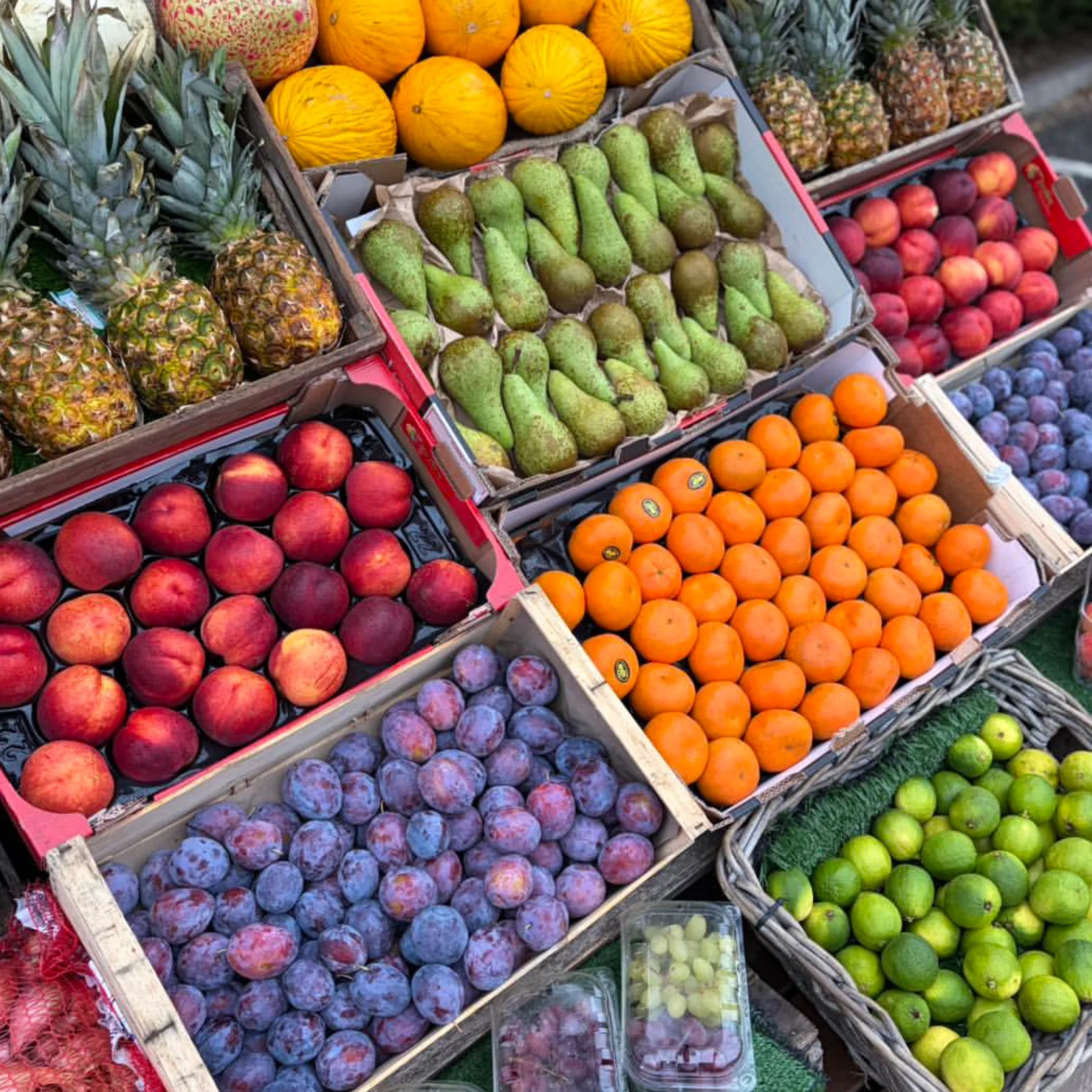
In Australia the prime window for summer produce is the three months from December to February. You will find the widest selection of warm-weather vegetables and fruit then, even if there is a few weeks’ difference between the north and south.
Then again, summer can bring cyclone risk up north, bushfire closures, storms and heatwaves. A hard spell of weather will make a crop dearer or late, so think of the calendar as something advisory, not a contract with a tomato.
How Things Vary Month by Month
Cherries, apricots, peaches, nectarines, early plums and asparagus are among the first to appear in December along with the tomatoes and beans. January is when you get good quantities of mangoes, grapes, stone fruit and salad vegetables. Come February the tropical fruit, peaches and nectarines are still in fine form, though you may notice the early stone fruit waning.
State and variety play a part too. Queensland and the Northern Territory will have their tropicals before the rest of us, whereas a cool spring in Victoria might put off the cherries. Any guide to Australia’s seasonal fruit and vegetables is only as good as a local check when you are about to buy.
Make Room for Some Fruit
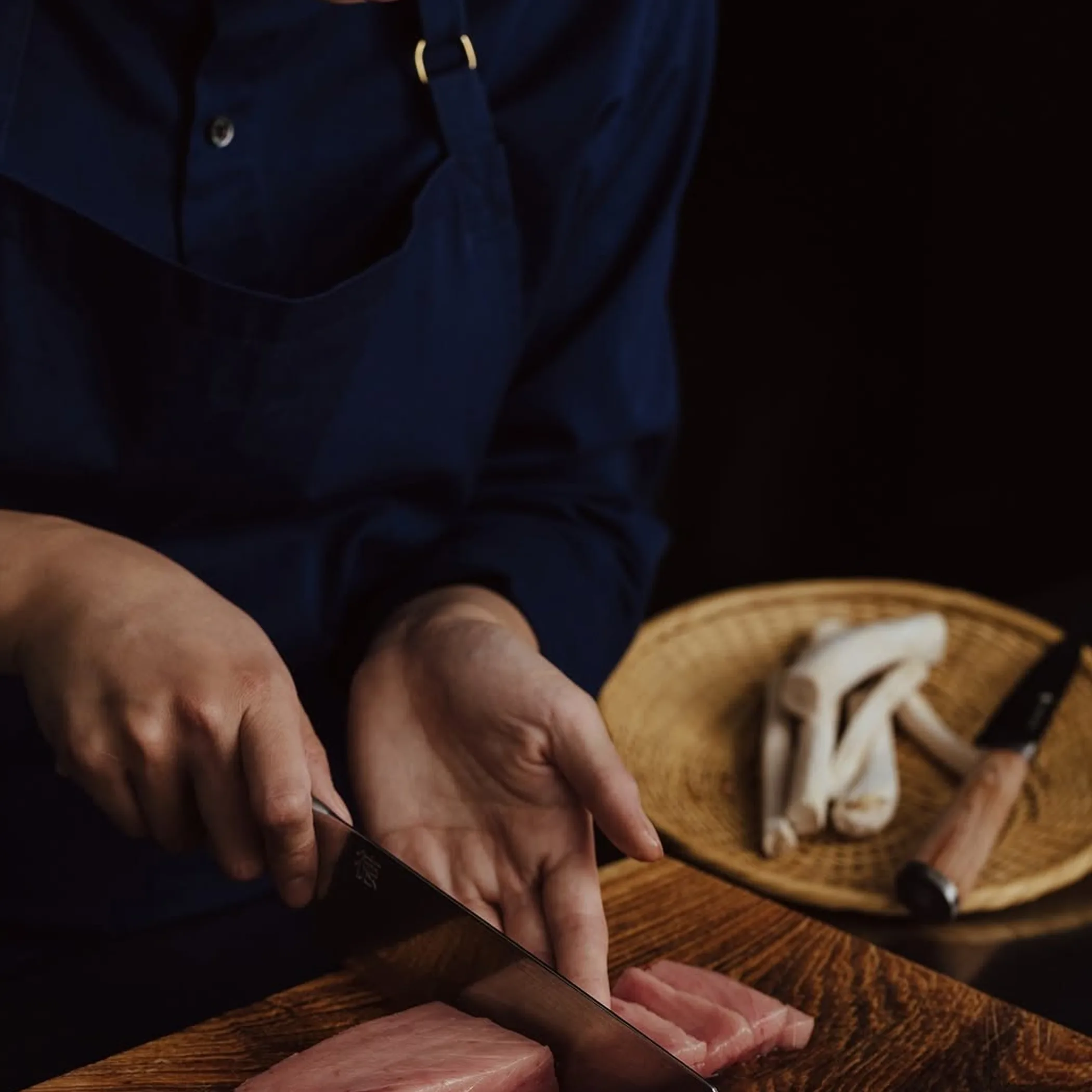
It is the big season for Australian fruit. There is little need for more than a sharp knife to turn the stone fruit, melons and berries into a decent breakfast or dessert, provided you do not mind sticky elbows.
Do not be taken in by size or how it looks in a photo. Go for sound skin and a good colour, and something that is right for the time you want to have it.
No Guesswork When Picking Ripe Fruit
A ripe plum or peach ought to yield a little but show no sign of bruising or leakage. Cherries are best when firm and glossy with a fresh stem. As for berries, they should be dry and mould-free; a single soft raspberry is enough to make a punnet a science project by morning.
With a mango or pineapple, put aside the colour and use your nose. A fragrant mango with some give is preferable to one of unblemished red and green that is hard as a rock. And a good melon will be heavy in the hand and smell of itself at the stem.
For fruit that is easy to travel with, rely on bananas, lychees, Valencia oranges and grapes. The lychee should be bright, the grape firm and on a green stem with none of it shrivelled.
Plan for the Week
There is no point in putting seven days of ripe peaches in your trolley on a Saturday unless you are looking after a cricket team. Pick up a couple for now and let others ripen on the bench. Leave the bananas where the delicate berries cannot reach them and, if you are not going to put cut fruit away in a hurry, get the melon whole.
The Australian Dietary Guidelines set out the official recommendations for adults of two serves of fruit and five of vegetables a day, though that is subject to one’s age and life stage.
Vegetables From the Market
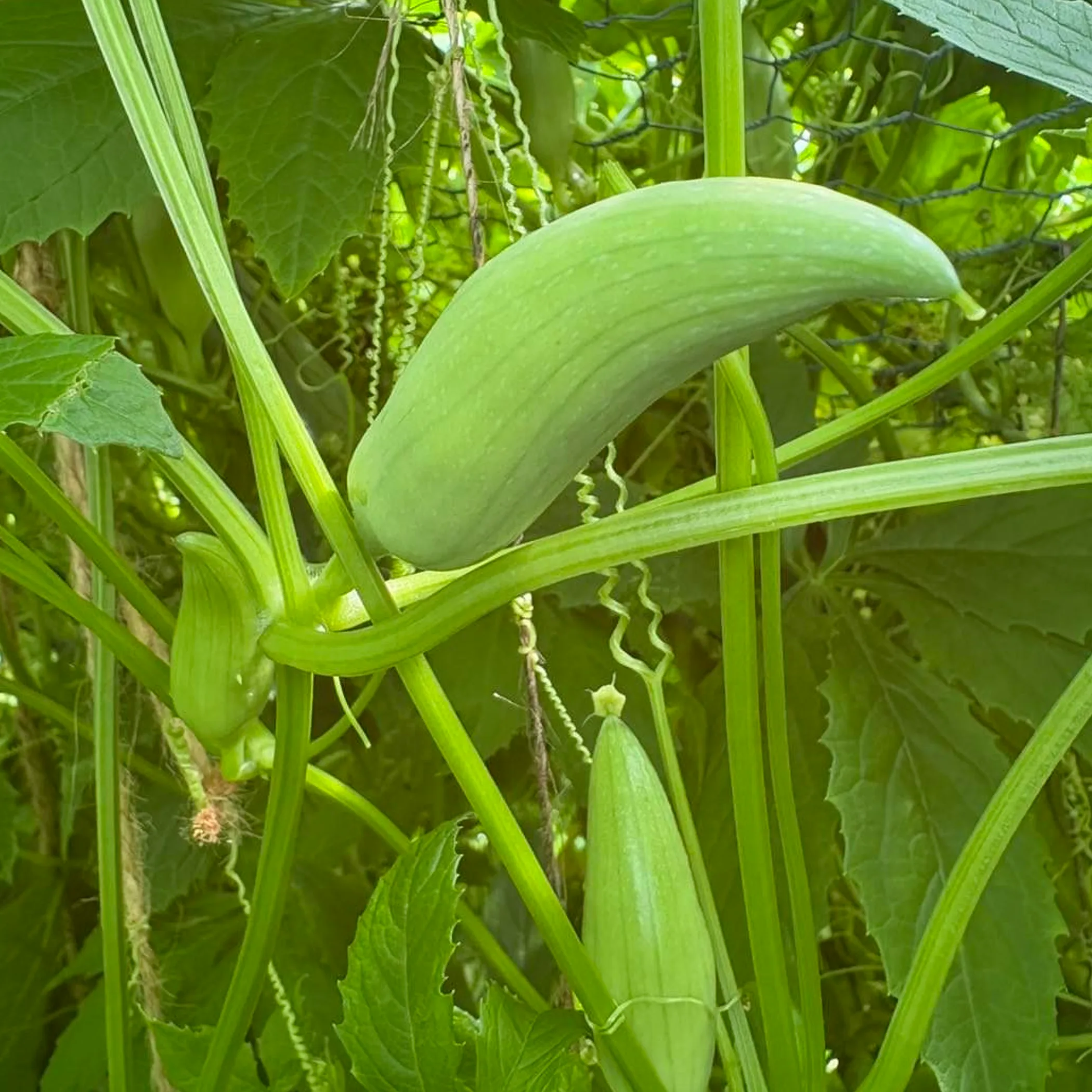
You will get the most out of your summer vegetables if you do not overcomplicate the meal. Tomatoes, corn, zucchini, eggplant, leafy greens and the like are meant to be put on the plate with minimal effort.
And they will tell you if you are not storing them properly. I made the mistake of leaving my green beans in the car while having a word with a grower and was left to ponder why my dinner had all the consistency of a wet shoelace. One does not have to spend a great deal to learn this: make your purchases late in the day, with an esky to hand, or head back home without delay.
A Practical Summer Produce List
- Fruit: Valencia oranges and plums, as well as pineapples, peaches, nectarines, melons, mangoes, lychees, grapes, cherries, berries, bananas and apricots.
- Vegetables: Herbs, zucchini, tomatoes, lettuce, eggplant, cucumber, corn, chilli, capsicum, beans and asparagus.
With tomatoes one wants the kind that is sweet and has a proper tomato aroma at the stem. Capsicum ought to be of some heft and firmness; beans should have a snap to them, not bend in a sorry fashion. As for asparagus, pick it for its smooth stems and firm tips and put it to use in short order, as it will lose its freshness quicker than a cold drink at a beach barbecue.
When in need of a quick meal, put olive oil on some tomatoes, capsicum, zucchini and eggplant and roast them, to be had with fish off the grill or with beans. A lunch of chickpeas with chopped up cucumber, herbs and tomatoes works well. Porridge, yoghurt or toast for breakfast can be improved with a banana, some stone fruit or berries.
Regional Growing Patterns
What you find in a shop or at a farmers market from December through February in Australia will vary from state to state. Latitude, soil, elevation, how far it has been transported, the climate and irrigation are all factors. In one town there may be an abundance of local produce, 500 kilometres down the road it could be pricey. Not always a rip-off, it can be a matter of freight, crop losses or the expense of holding food cool in the height of summer.
Climate and the Shopping Trip
| Region | Summer pattern | Useful buying tip |
|---|---|---|
| Queensland and Northern Territory | Tropical fruit such as mangoes, melons, pineapples and bananas are de rigueur in summer. | Be sure to shield produce from the heat in transit and check for ripeness. |
| New South Wales | Stone fruit, capsicum, beans, tomatoes, grapes and berries will be in evidence. | Inspect soft fruit for any bruising and get to the shops early in a heatwave. |
| Victoria and Tasmania | You will see more of the cool-climate vegetables along with tomatoes, grapes, stone fruit, berries and cherries. | A late frost or cool spring will put a shift on timing. |
| South Australia and Western Australia | Vary by district, but expect warm-climate crops, stone fruit, tomatoes, melons and grapes. | Let the current offering at the local market be your guide. |
The wet season in the Top End and northern Western Australia has its way with roads and freight. Growers and the like will have to contend with sudden changes when cyclone alerts are in force from November to April. Down in the south-east bushfire closures and heatwaves can put a stop to a trip to the farm gate or the regional roads.
Before setting out for a regional market by car, do not take it for granted that every dirt road is open; have some water and look over the route. An encounter with a road train or a detour on account of fire can make of a brief run for produce a long day. The Stuart Highway and Gibb River Road are testament to the fact that Australian distances are more than figures on a map.
Hot Weather Storage
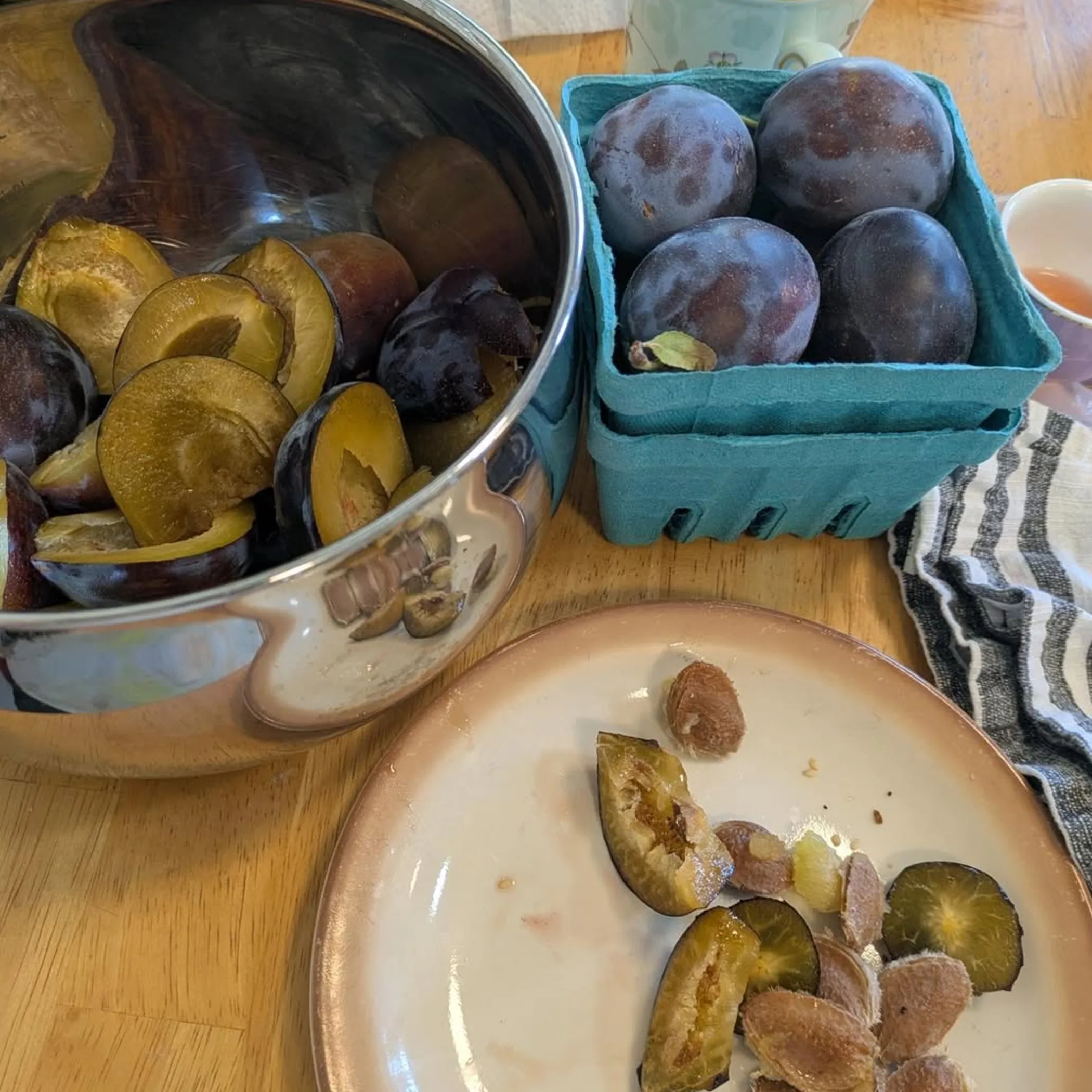
Properly put away, summer produce will last a few days longer and put some money back in your pocket. It is a question of keeping apart the fruit that gives off ripening gases and the vegetables which want to be dry and cool.
There is a notion that the refrigerator is where all fruit and veg should go right away, but that is not so. Tomatoes will be blunted in flavour by the cold, as will the texture of some tropical fruit, and it is bad for bananas.
To keep Fruit Fresh Longer
Berries and cherries that are ripe, and cut melon, belong in the fridge. Do the same with grapes (unwashed until you come to them) and put stone fruit on the bench to ripen before a brief time in the cold. Only wash your berries at the point of eating, otherwise the moisture will bring on mould. Tomatoes are better at room temperature if they are to be used in the near future; reserve the fridge for those that are fully ripe and you have time on your hands. Bananas will ripen slower if kept from other fruit. Put some water in a glass for your herbs or give them a loose wrap in a damp cloth.
Shop Safely In The Heat
An insulated bag is advisable for dairy, leafy greens, cut fruit and berries. Make for a shady spot to park though a car will get hot regardless. Once home, put things away and be done with anything with a fermented odour or slimy feel, or where mould has made itself known beyond a small patch.
At the farmers market an early arrival affords the best of the selection and no trouble with parking, whereas towards closing there might be a bargain to be had but not of the premium sort. It is what it is. Have some small notes and reusable bags and water, in case the card machine or mobile signal is being difficult in these parts.
Grow A Summer Patch

A summer garden will see you put in tomatoes, beans, chilli, capsicum, herbs, cucumbers and zucchini. There is no call for an expansive backyard to get a worthwhile harvest; a few large pots or a planter in the courtyard or on a sunny balcony will do.
Pick your crops in keeping with the climate and how much sun you have on hand. For some planting inspiration there are Gardening Australia, the Botanic Gardens of Sydney and such like Foodtree, Sustainable Table or Frugal and Thriving. But when it comes to what will endure in your patch, local nurseries have more sense of it than any general calendar.
Start Small And Water Wisely
Make sure the spot has good light, be it morning or midday, and put some compost in the soil. A bit of mulch to check evaporation is also in order. Do not be in the habit of sprinkling the leaves every other minute, water at the roots and make it a deep watering. In the early morning one can be at ease with the plants and the heat of the afternoon is not upon you yet, before it is hot enough to fry an egg on the tray of a ute.
Keep on top of staking the tomatoes so they do not get in a knot, and be about picking your beans. Zucchini should be harvested while still of a modest size; leave them to get too big and they may as well be rough as guts even if they are technically edible. Give seedlings some protection from wind, snails and the heat, and put up shade cloth in extreme weather if the plants show signs of wilting for want of moisture.
One day is all it takes to put in a summer garden if you are short of time. Go for a pot of herbs, a couple of tomato and a chilli plant and some climbing beans. You will get plenty of harvests and learn the ins and outs of staking and picking without having to rework the whole backyard.
Common Produce Questions Answered
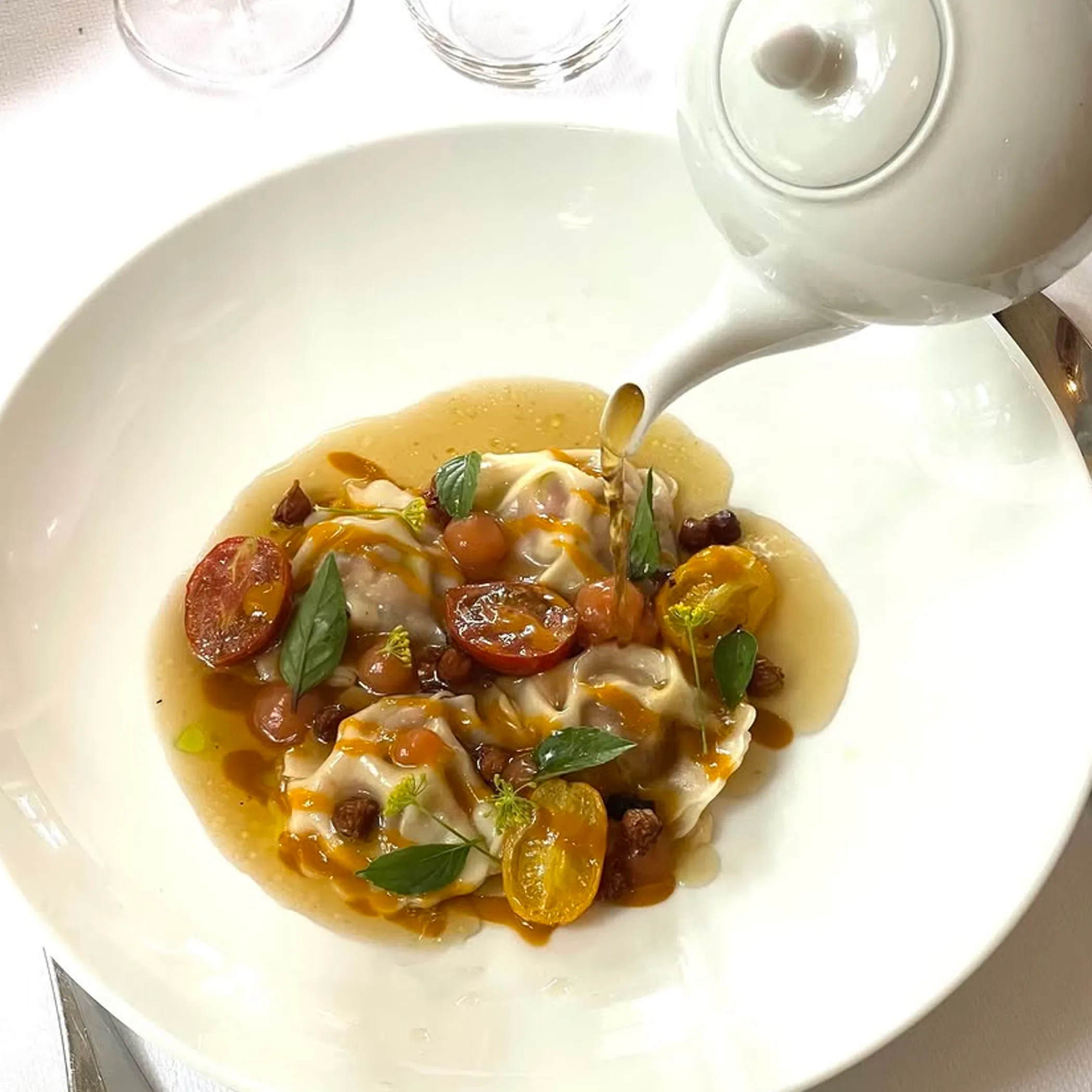
There is confusion to be had with seasonal shopping since “in season” might denote something that is locally sourced, ripe, cheap or just what the supermarket has in stock. We set out the answers below to put things in perspective.
What Vegetables Are In Season?
Asparagus, corn, eggplant, lettuce, fresh herbs, along with the usual capsicum, chilli, tomatoes, zucchini, cucumber and beans. The list is a guide but availability is subject to the state and the weather, so look at the pricing and go by what is firm and fresh.
What Can I Grow In Summer?
In most Australian gardens you will find room for leafy greens, herbs, zucchini, cucumbers, capsicum, chilli, beans and tomatoes over the summer. Those in warmer climes can put in tropical fruit; in the cooler parts of the country a heat lover may require a container or some shelter and careful timing.
Has Gardening Australia Started?
We cannot vouch for the 2026 schedule from the information at hand. With television and ABC iview as they are, one would not want to put a date on it without an official source. It is a fine reference for ideas none the less, though the final say on when to plant must come from your own local conditions.
What Fruits Can I Grow?
Strawberries, citrus, figs, passionfruit, bananas, stone fruit, grapes and the like are possible given space and climate. But do not expect a tree to bear fruit right away, that is a seller being optimistic in a pot. Fruit trees take their time and need room, the right amount of chill or warmth and consistent water.
Is Seasonal Eating Cheaper?
It can be when supply is good but there are no guarantees. Then you have to factor in retailer margins, packaging, certification, transport, labour and the odd bit of weather damage. What is in abundance is worth buying, and you can put some aside to freeze or dry where food safety permits, after comparing the local shop with the farmers market.
Making the Most of Summer Produce
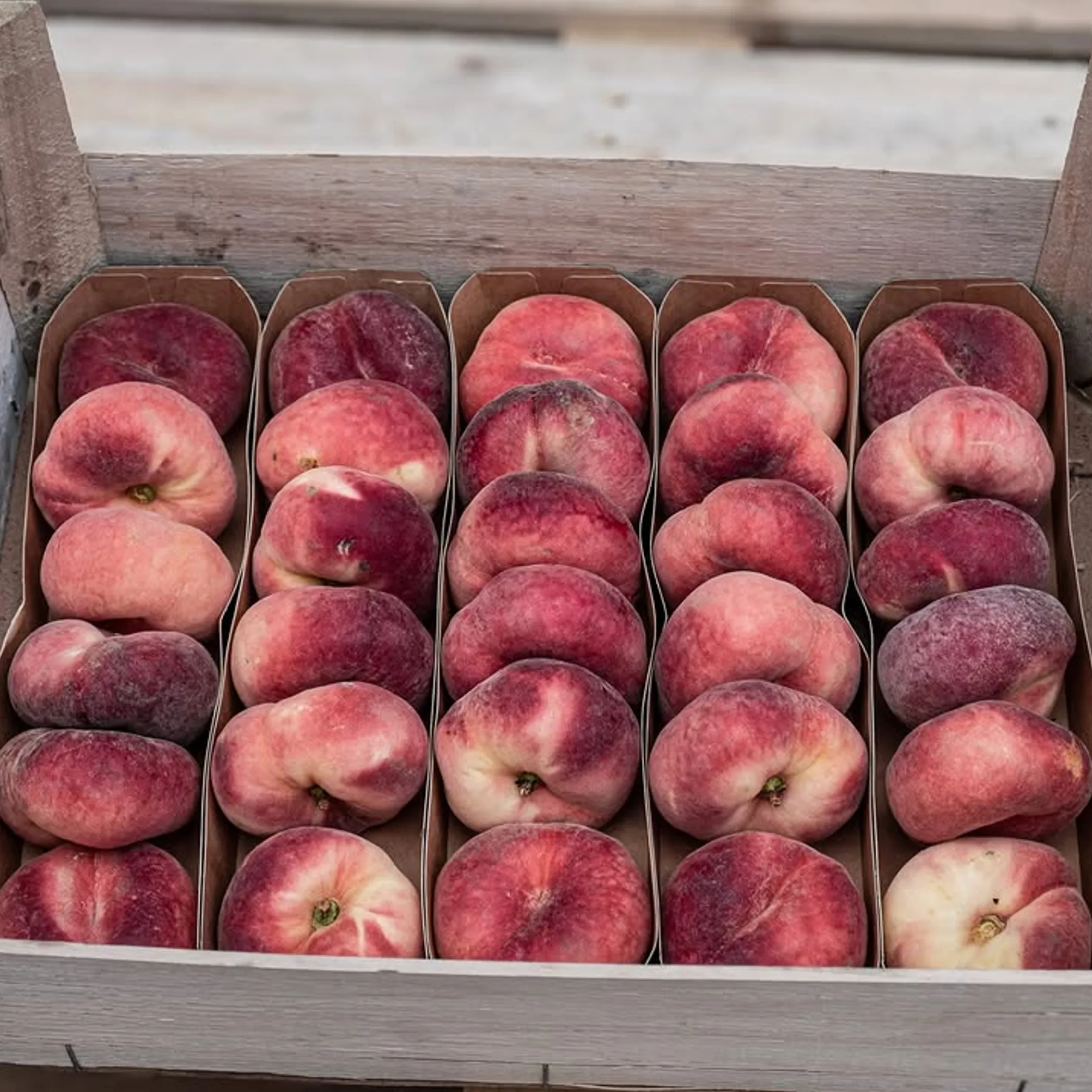
The way to go is to buy in small quantities and let the strongest looking produce dictate the meal. It cuts down on waste and you are more likely to come across a good mango by chance.
- Take two fruits to eat now and two for the week ahead, and something hardy like an orange or banana.
- For vegetables, three for the salad bowl, one to roast and a flexible one like a tomato or bean.
- Put the delicate stuff to use first and cook or freeze the rest before it ends up in the compost.
From one year or region to another the summer produce season in Australia is never the same, but it is generous. When you can, buy local and do not mind the odd sticky finger or the mess that goes with fresh food. That is what makes for a proper summer food celebration down under.