
Kakadu Photo Guide
A seasonal guide to photographing Kakadu, with the sort of practical advice on timing, wildlife and access you will need.
You can put a camera to work in Kakadu any time of year. Yet when it comes to the best timing, that is contingent on what you are after for your frame. The wet season’s wild drama, thunderheads and waterfalls at their most swollen come of late summer. But if your preference is for unfettered access, good roads and a no-nonsense wildlife session in some fine sunrise light, the dry is the wiser option. For the traveller making one trip of it, there is an ideal period for Kakadu between the two, where the country has not yet lost its colour or water but getting around is easier.
Isla North here. One does not make of Kakadu National Park a single-season affair; it has a mind of its own. It is not a place for a tidy notion of “the best time to be photographing”. You might have flat floodplains as bright as tin one month, the next you are dealing with dust on your boots and birds over a waterhole that is running low, all under the escarpment light.
In this guide I get down to the nitty-gritty of planning: the seasons, what is likely to catch you out, how road closures will dictate your route, which gear is worth having and whether to part with the money for a tour. Before you set off, do yourself a favour and check Parks Australia’s official Kakadu National Park information for any alerts on the official site. With rain or fire or safety works, a road or swimming spot can be off limits in a hurry.
Make Your Shots Dictate The Season
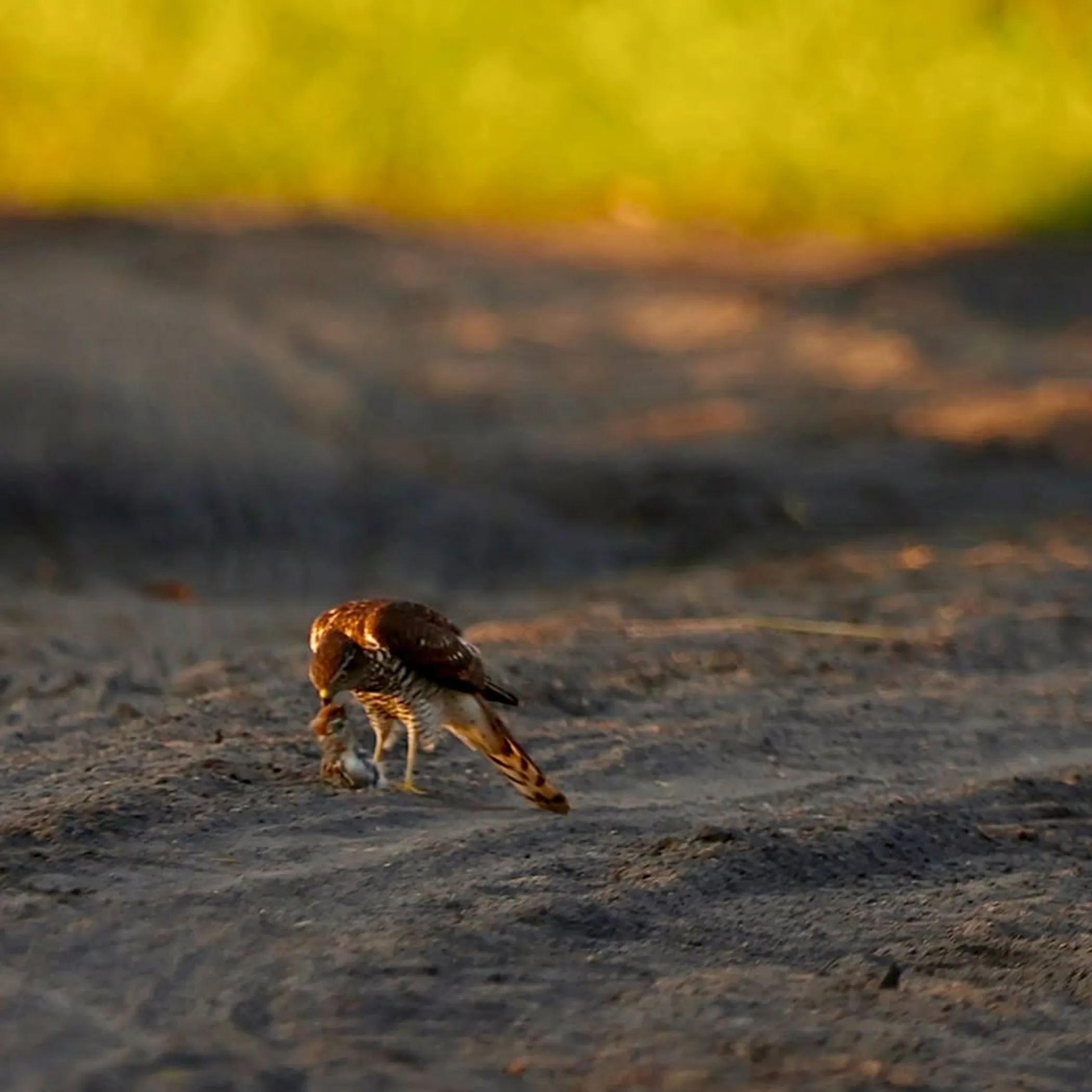
Kakadu is unforgiving of vagueness. Pursue a waterfall in poor conditions and the road may well be shut. Arrive for the birdlife only to find the floodplain empty and your expectations will be disappointed. I would say pick your subject first, then the season, and leave comfort to last.
The wet season is for those who can put up with the heat and humidity and see off a storm or two without fuss. The dry caters to the type of traveller who wants open roads and no likelihood of his plans going to pieces before he has had his breakfast.
The Wet: Scale And Mood
There is a quality to the landscape in the wet that the dry cannot replicate. The floodplains are full, storm cells form in a hurry and you have your dramatic clouds, the green of the paperbark edges, strong flows from the falls (where you are permitted) and lightning from a safe vantage point.
Do not be one of those who thinks the wet season affords you the run of the show. Some of the more photogenic parts of the country are behind floodways or closed for safety. It calls for a plan with give in it and the patience to accept a closed track without losing your temper.
The Dry: Predictability
For cleaner logistics and days you can count on, the dry is preferable. You can plan your sunrises and sunsets with less chaos from the clouds. Walking tracks are safer and it is a better proposition for the first-timer unaccustomed to rough driving in the remote.
But later in the season the dry can be harsh. What was once lush is now brown and the postcard drama of a waterfall is gone. For the likes of Ubirr, the rock art or a day at Yellow Water Billabong though, it is hard to beat.
A Monthly Cheat Sheet
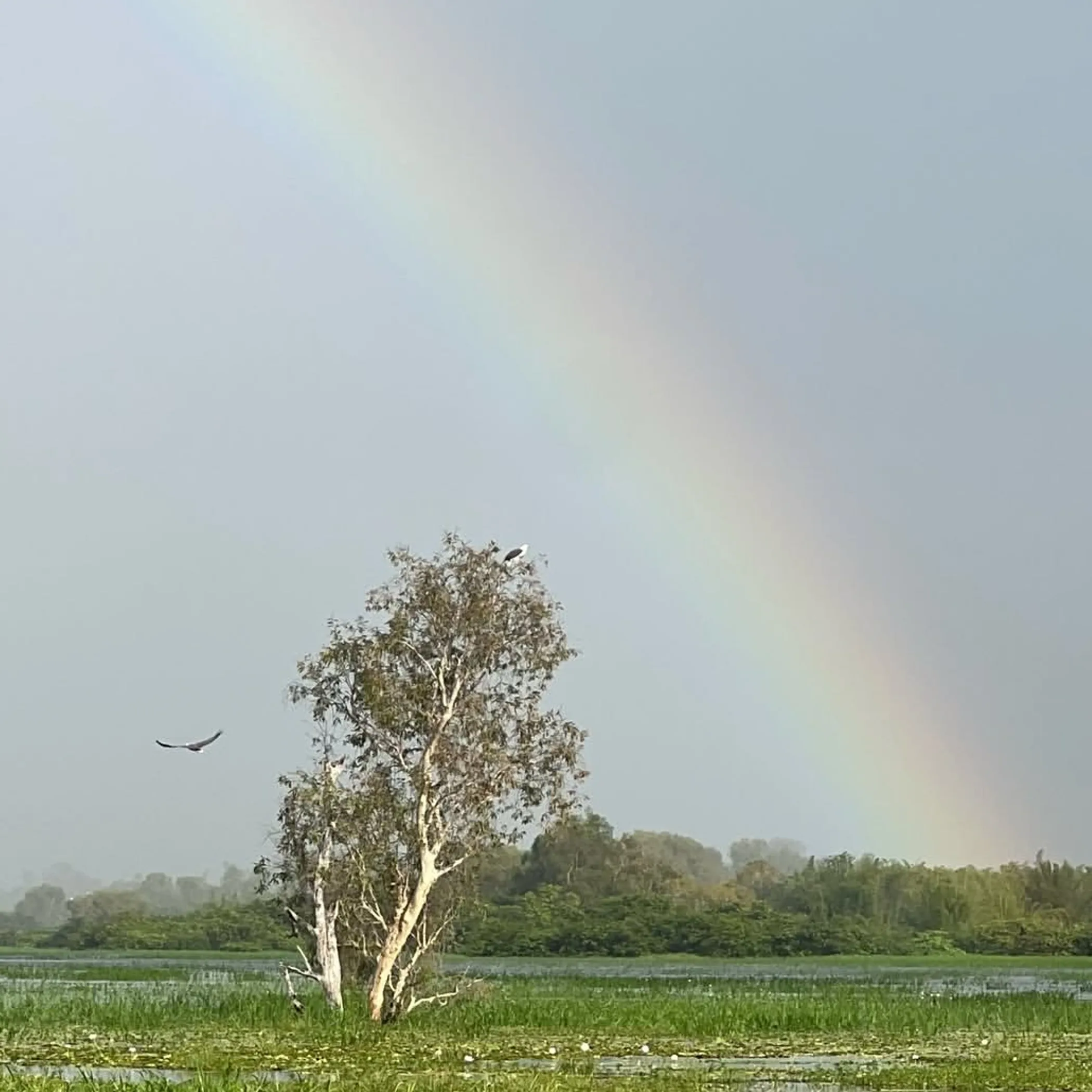
Here is a practical way to look at it, a rough map I wish were in every traveller’s hand before they book a 2WD and flights and are left puzzling over why the waterfall of their dreams has a sign in front of it. Take it as a guide, not gospel. In the Top End the weather has the final say and a heavy fall of rain will alter your course. A guide to the seasons
| Period | Best For | What you will see | Access Notes |
| Jan–Mar | Storms, big water, moody skies and lush scenery | Flooded plains, peak greenery and clouds to match | Some 4WD routes in Kakadu are off limits and closures are likely |
| Apr | Fresh landscapes, waterfalls, transition light | The rain eases on the green country | Things are better but do your homework on site access |
| May–Jun | Birds, floodplain sunsets, panoramas, all-round trips | Softer temperatures, cleaner roads, some water left over | Hard to beat for a mixed bag of subjects |
| Jul–Aug | Tours, rock art and billabong wildlife | Crisp mornings, dry air and light that is stable | In vogue so put in a booking early |
| Sep | Escarpment colour, sunrise/sunset work | Low-angle light is strong as it gets drier and warmer | Heat is on the up, waterfalls are less |
| Oct–Dec | Dramatic skies, heat shimmer and storm build-up | Afternoons can be harsh with some electric cloud activity | You will be put to the test; expect the odd closure |
One day only? Make Yellow Water Billabong at dawn and Ubirr or Nawurlandja Lookout in the late afternoon your priority. It is a good way to have your wildlife, reflections and escarpment colour without half a day of driving putting you in a foul mood.
Where to put your efforts
People have a tendency to under-estimate distance in a place as large as Kakadu. The map seems fine until you put in the time for wildlife, dusty roads and the slower 4WD bits, not to mention the indignity of having to putter up a hill in 34°C with two camera bodies in the way.
It is wiser to pair up your subjects and locations than to go around ticking off every site on the list. As Isla North would put it: less stuffing about, better light and a few places well done.
Yellow Water and its birds
For many a photographer this is why they make the trip to the national park. A dawn cruise on the billabong is dependable for wetland light in layers, mist, crocs and the like, be it magpie geese, jacanas or sea eagles. On a tour for bird or general wildlife photography you will find no easier high-yield opening.
It is magic at times but don’t expect solitude when it is busy. Then again access is no problem and the tours are run of the mill, so even the novice can get some good frames provided he does not fiddle with his lenses all cruise long and keeps the shutter speed up.
Jim Jim and Twin Falls
When there is water to speak of and you can get in, Jim Jim Falls is where you want to be for the scale of the cliffs and the plunge pool. The sandstone makes for fine compositions in the right light. Same goes for Twin Falls if you are after some atmosphere in the gorge.
The drive is what gets you. Don’t think of these as a casual post-breakfast affair on rough tracks. Even with the 4WD routes open you can be slow as guts getting in and out of them; it is a matter of tyre pressure, corrugations and how confident you feel.
Ubirr, Nourlangie and the lookouts
Ubirr is top notch for sunrise and sunset in Kakadu, though the latter tends to be more of an event. You can put together some lovely shots of the twisting channels and the glow of the country from the lookout in the shoulder months. Nourlangie Rock and the Nawurlandja are also to be had for Top End scenes and escarpment work.
Down by Nourlangie at Anbangbang Billabong you will find calmer water and foreground interest. I would suggest a circuit of Nourlangie, Anbangbang and Nawurlandja in one session for the beginner; the variety is there and neither the walking nor the driving is onerous.
Gunlom, Maguk, Moline
If you prefer something more intimate to the vastness of the floodplains then head to Gunlom Falls, Maguk Gorge or Moline Rock. Provided the light is co-operative there is scope for some slower shutter work on the water textures and monsoon pockets. They are for those who do not mind lugging their kit over uneven ground.
Not every traveller is suited to them. There is physical effort involved and slippery rock and the heat to contend with. Be realistic if you are not used to rocky tracks or sharing water with crocs in the Top End. And do not be guided by a trip report from last season, site access has a way of changing.
Wildlife
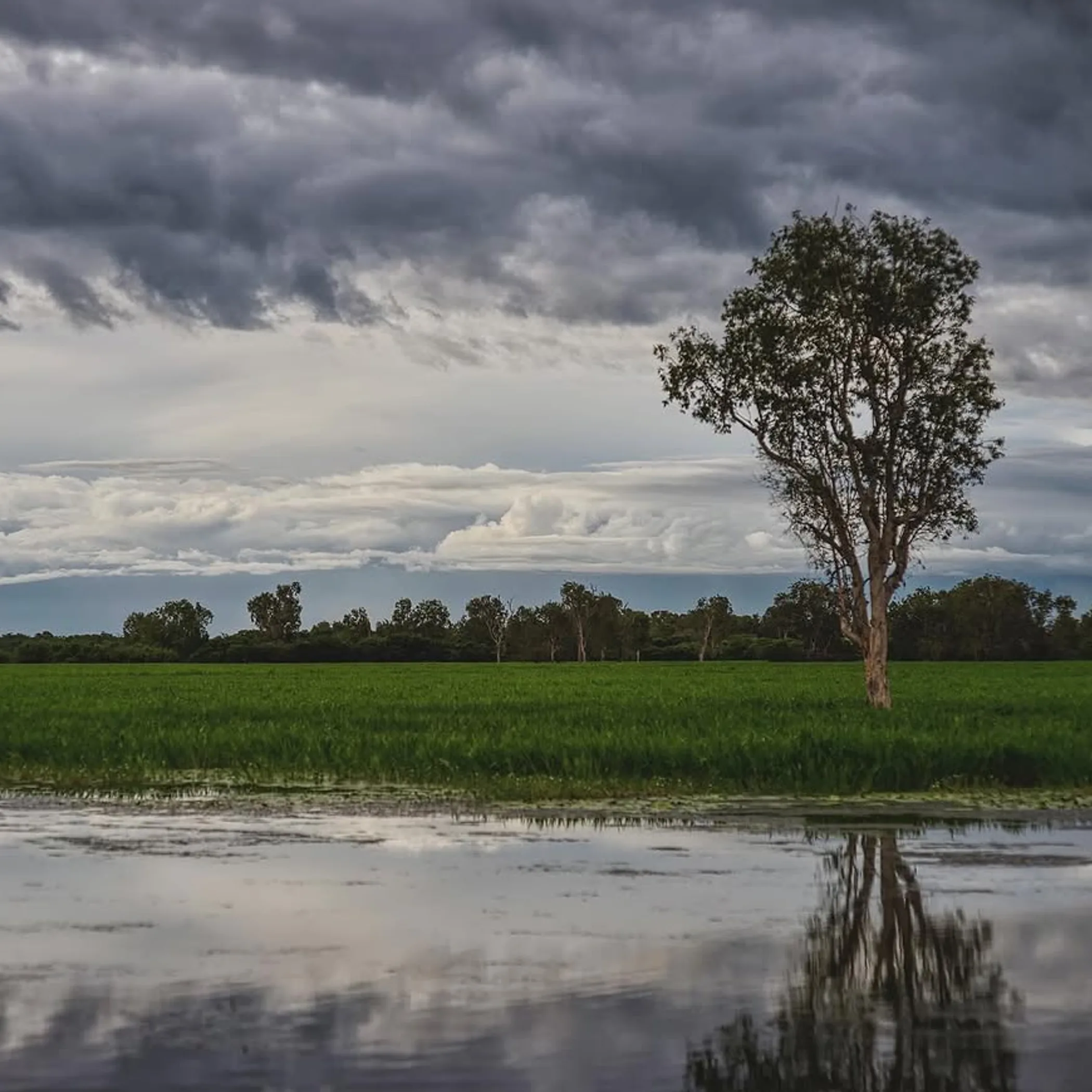
A year round attraction in the park but you will need patience, gear is secondary. The subject is not going to oblige your shot list and you have to put up with the heat haze and moving boats.
There is an ethical dimension as well. No photo is worth needling a nesting bird or closing in on a croc to give someone on the internet a more dramatic crop.
Birdlife
Wet conditions have a way of concentrating activity as the water recedes, putting subjects within easier reach for the bird photographer. One will find egrets, herons, raptors, whistling ducks and jabirus in good numbers at the Yellow Water and Anbangbang Billabongs and the wetlands in their vicinity. Then there is Bamurru Plains; although it is beyond the core of the Kakadu circuit, any wildlife photographer or birder worth his salt will be familiar with it for the big-country feel and the wetland species on offer.
If birds are what you are after, put in with an operator like Tracks Birding & Photography Tours and NT Bird Specialists and they will make all the difference. Don’t mistake this for something out of a brochure. A local guide can tell you where the action has been that week, not just where it was fine three months back.
Crocs, Mammals And Distance
There is no novelty about the saltwater crocodiles in this country. Show them the respect due and stay back from the water’s edge to get a better angle, do not be careless. With mammals and reptiles you are best off in the early hours or late afternoon; the heat of the day will have made midday a slow cooker.
Most wildlife work is done with a 100–400 mm type lens. You could go for longer glass but unless you have a steady hand in a boat or vehicle it is of little use. I have put more good frames to paper in Kakadu by bracing up and being patient than lugging around some monster lens like a martyr.
Water And Sky
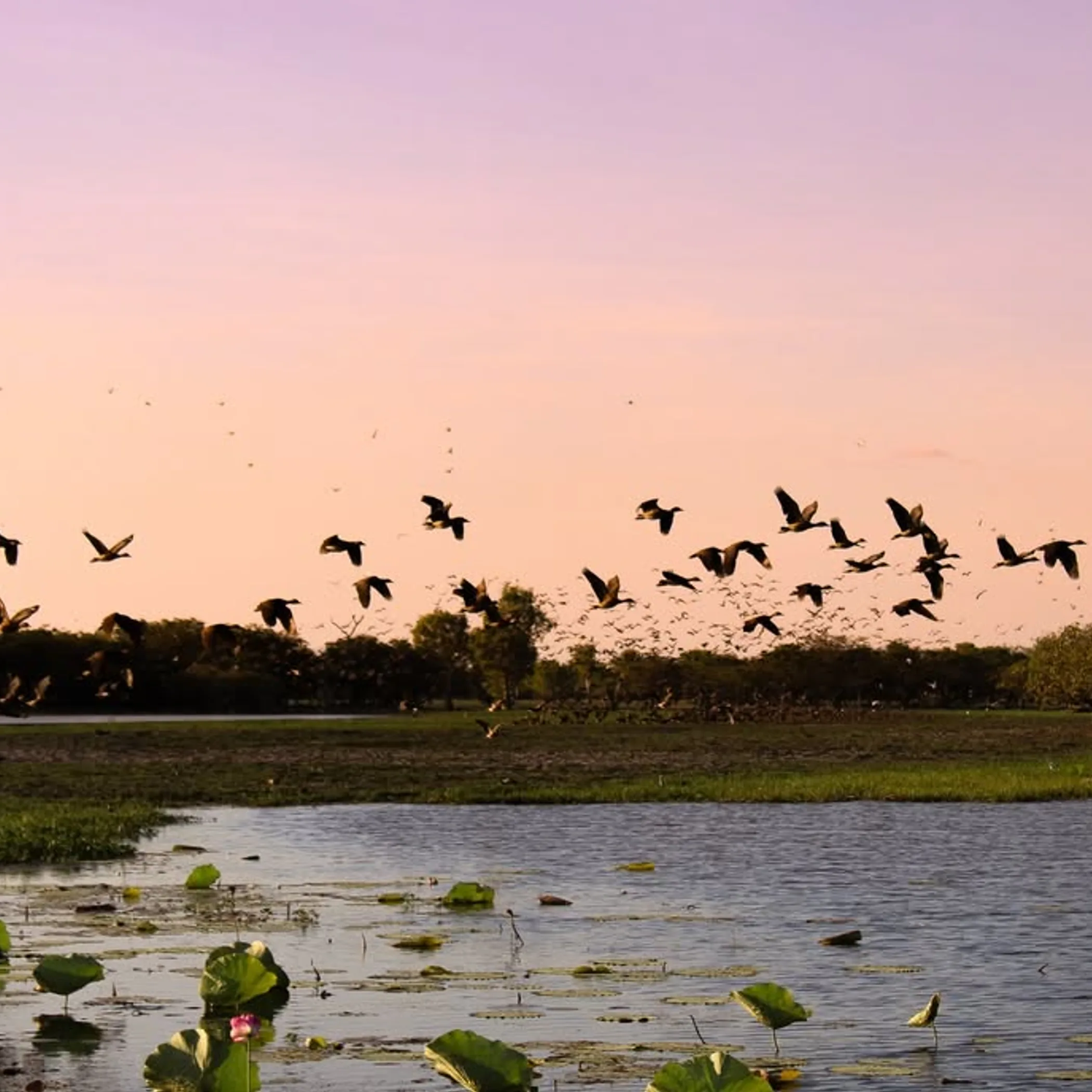
Kakadu is at its most cinematic with storm light over the floodplains and waterfalls. It is the sort of thing to have photographers talking in hushed tones, which is suspicious in some quarters but here it is justified.
Do not count on location alone, time your light. There is more to be had at an accessible lookout with a decent sky than running between three spots under the white glare of midday.
Wet Drama And Storms
To get the best from the wet season in Kakadu one should embrace the contrast: the dark clouds, the grass standing out, reflective water and a sense of scale uncluttered by people. The build-up to the season can be dramatic but the heat is as rough as guts and an afternoon out will wear you down in short order.
Faster shutters are called for when shooting birds against the cloud or to capture the detail in a moving storm; save the slower work for when the wind and rain and your tripod co-operate. Leave the rain cover and a dry bag for the car at home and you are making a mistake of it.
Technique For Gorges And Waterfalls
Jim Jim Falls, Gunlom Falls, Twin Falls and Maguk Gorge are well served by the shoulder season for a combination of access and water volume. On the broad escarpment you want to be there earlier or later in the day, though a narrow gorge will allow for midday when the sun is less direct.
A circular polariser is good for taking the glare off wet rock and foliage provided you do not overdo it on a wide expanse of sky. Neutral density filters to smooth the water have their place but I have some favourite shots from here that retain some movement and texture rather than being turned to milk.
The Culture Of Rock Art
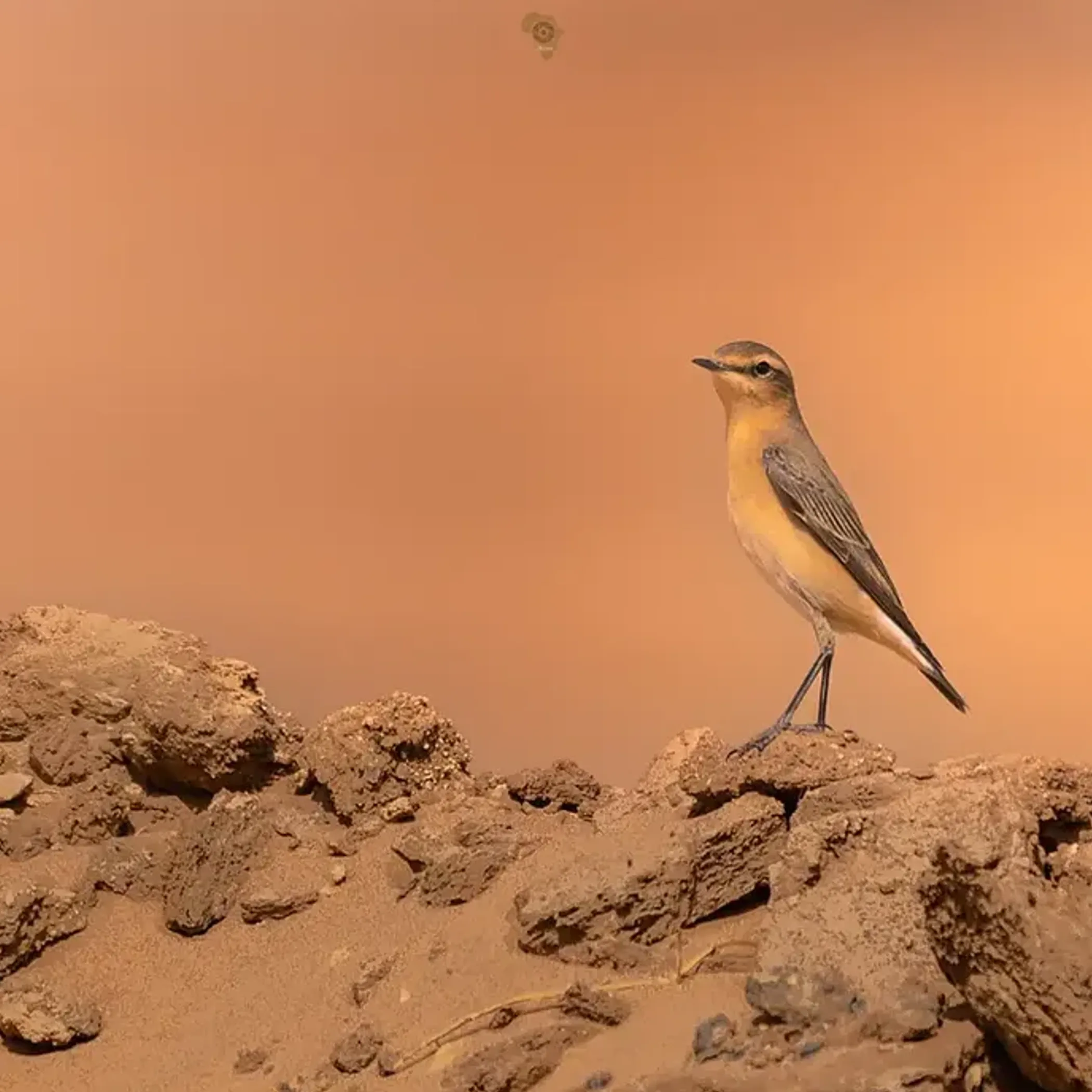
Photographing the rock art in Kakadu is as much a matter of conduct as it is of settings. These are places of cultural import, not a backdrop. Some may think that goes without saying but it bears repeating.
At Ubirr and Nourlangie Rock you have art and story and landscape. Observe quietly, frame with care and heed the signage and restrictions.
Etiquette And Permissions
Rangers will give you advice on where to stand and what is allowed in certain cultural areas, follow it. It is the same protocol and respect for the Anangu that would explain why you cannot photograph one side of Uluru if you were to ask. The point is not every image that is physically possible is one you ought to make.
In low light at a rock art site exercise some restraint. No flash unless you are given leave, don’t put your gear up against the rock or touch the surface and put up with a higher ISO instead of some disruptive arrangement in a shared space.
Be A Realist About Access
Tours can see you through the logistics in Kakadu and a self-driver can manage it too so long as he plans with the season and not in opposition to it. This is what makes or breaks a trip. All too often I see an itinerary put together with not an inch of slack for distance, fatigue, the heat or a closure. Weather has a way of dictating the terms on the roads and tracks of the Northern Territory, the Top End in particular.
Transport, Timing And Costs
The usual pattern is to put in from Darwin by car. While a 2WD will see you to the principal sealed-road spots if conditions are right, you might find a 4WD is called for to get at some of the more out of the way places or for access to Twin Falls and Jim Jim Falls for your photography, provided the routes are open. Then there is the expense of fuel, food and a place to stay; in the NT backcountry it does not take long for a self-drive outing of a few days’ duration to amount to several hundred AUD, let alone what you would put down for a tour.
As for tours, any one figure would be misleading. The kind of photo safari or specialised Kakadu offering you can book with say Venture North Safaris and Wild Nature Photo Expeditions will be pricier than an ordinary sightseeing departure. Smaller groups, the know-how of the guide and the need to time things with the light account for that. Some also make an issue of Louise Denton’s name in Australian nature photography; her type of guided expertise is worth having if fieldcraft is what one is after as opposed to mere conveyance.
Who This Trip Suits
A photographer with a tolerance for heat and the inclination to be up early will do well in Kakadu. It is a fine proposition for landscape work, birding and wildlife, or for anyone to get a feel for the season. Not so much for those who think they will have short strolls to all the big viewpoints, unfettered access to waterfalls come what may, or a resort-like experience in the park.
For the convenience of a sealed road, Yellow Water, Ubirr, Nourlangie, Anbangbang and the like are where you should be. But remote falls and rougher country require the proper vehicle and a few extra days in the schedule, along with the understanding that a closure or safety concerns will have the last word on your plans.
Be sure to check on fire advice, weather and any access alerts.
Take more water than seems sensible, as well as snacks, tyre gear and a means of backup charging.
Get out pre-dawn to beat the heat and be in position for wildlife.
Swimming is only for where it is safe and signposted as such.
Have a plan B for when the light changes or something is closed.
Pack Gear That Earns Its Spot
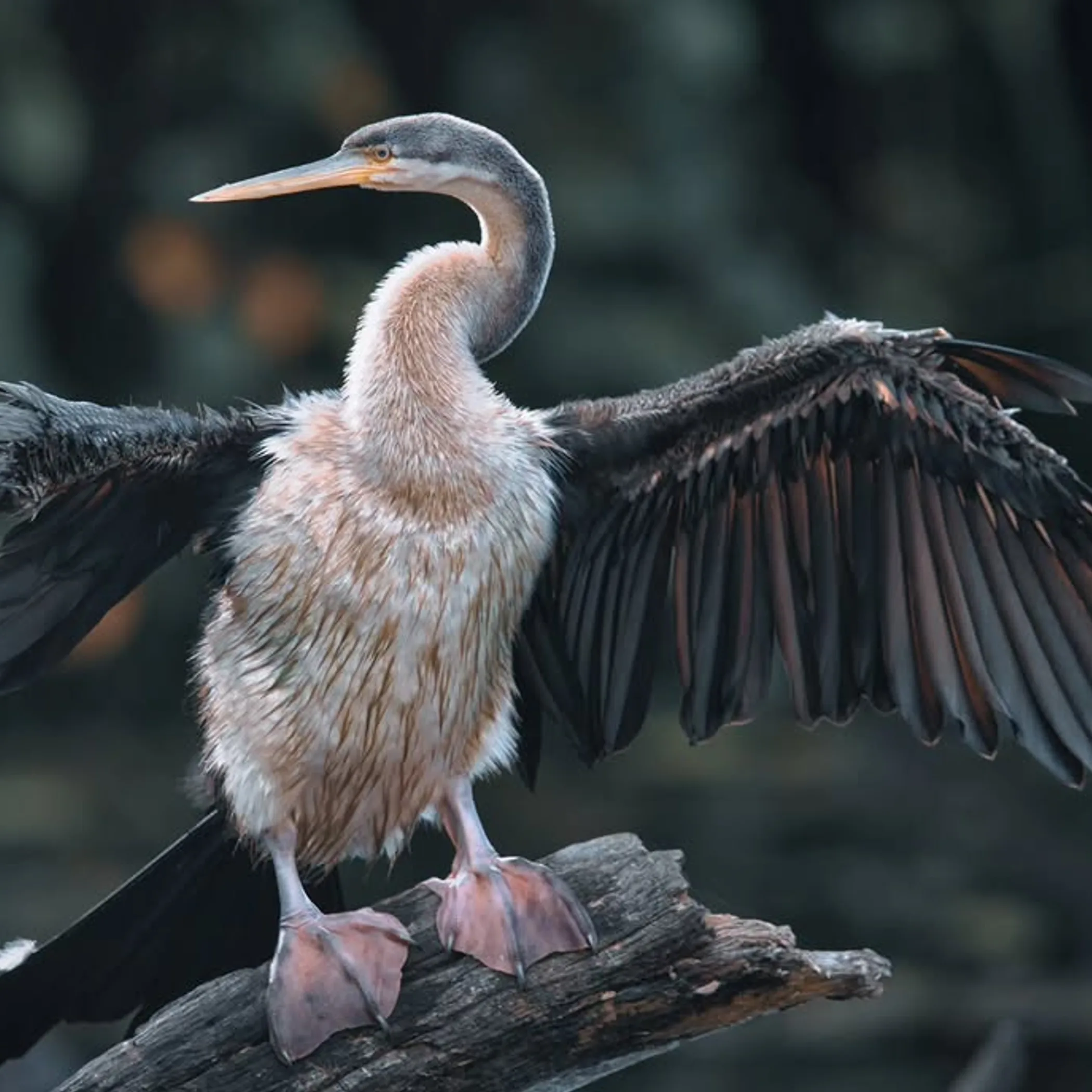
Kakadu is no place for bad gear choices. Humidity, dust, boat spray and the like will tell you in short order if your equipment is practical or merely showy. I made the error of packing too many lenses and not enough protection in these parts some years ago and was left to rue it by lunchtime.
Lenses And Settings
You will generally want a wide zoom for the rock art and landscapes and a telephoto for crocs and birds. A fast standard zoom comes in handy at dawn in the wetlands or around cultural sites in poor light. When on a boat, make sure your shutter speed is up to the task of any wobble or movement.
With the dynamic range over the floodplains at sunrise or sunset in Kakadu, bracket your exposures. In the dry season keep an eye on highlights from pale rock and water. Come the wet, moving from air-conditioning into the humidity can mean condensation and fogging.
Protection And Backup
Dust and moisture are facts of life here, as is the prospect of charging being an inconvenience while on the move or camping. So bring silica packs, rain covers, a rocket blower, redundant storage and the odd spare battery and lens cloth. Do not count on phone coverage to make up for a lack of preparation. Offline maps and hard copy route notes are advisable, and enough power to return even after a protracted session. There is nothing for it when the light is fading and you are left with a dead phone and a flat mirrorless.
Make Yellow Water your first port of call at dawn for reflections and wildlife.
Save Ubirr or the Nawurlandja Lookout for the late afternoon.
If birds are the objective, go with a specialist operator.
Shoulders of the month give the best compromise of water and access.
And have respect for the cultural sites, the water and the roads.
Leave With Better Frames, Not Just More Files
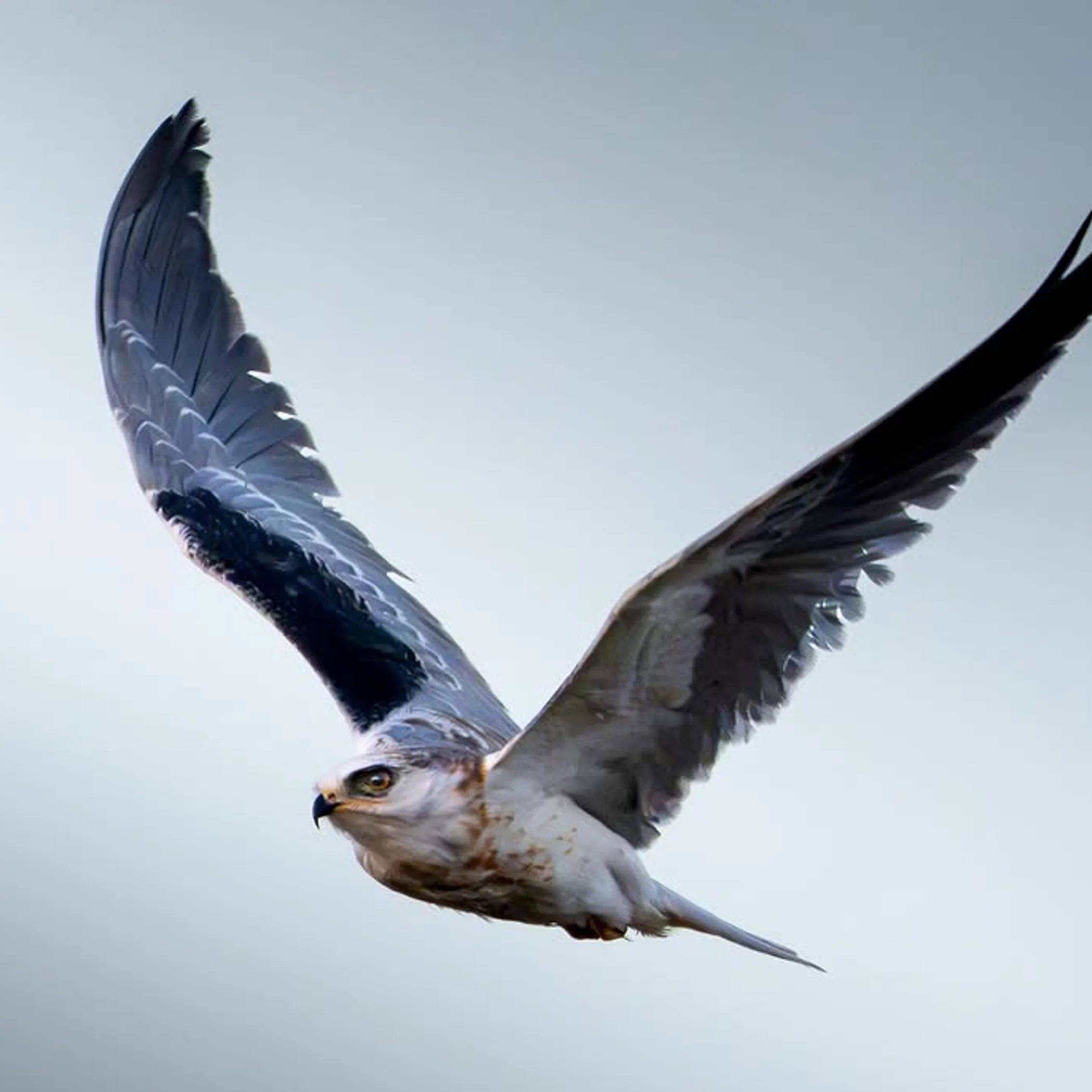
There is little point in running through a checklist in a frenzy in Kakadu; patience and humility are better served. Whether you are after the drama of a storm, a waterfall in spate, or a clean panorama of the dry season, the answer as to when is best to be photographing will vary with your subject.
The shoulder is where you will find the most straightforward of all-round trips, with water to put some character in the landscape but without making your progress difficult. For a change of mood and unvarnished weather, make your plans pliable and get out in the wet. In Kakadu one does not so much look for the one perfect month as come prepared with a sound plan and the stamina to see it through; common sense will tell you when to forgo the camera and simply take in the view.
FAQ
Travellers putting together a shoot in the Top End have a number of questions they put forward time and again. Some pertain to Kakadu proper, others are part of the broader Australian travel and photography equation.
2026 Wildlife Photographer Of The Year: Is there a calendar?
Do not be put off by third-party accounts of deadlines if you intend to submit from your time in Kakadu, and do not trust them. Calendars are subject to alteration, so the organiser’s own site is the place to go for the latest on exhibition dates and entry windows.
Is there a market for photographers in Australia?
You will find work in tourism, events, editorial, commercial and real estate as well as regional marketing, yet what is in demand is a matter of location and speciality. A nature or travel photographer can put together an income from workshops, licensing and content for guided trips, but it is no easy path and requires more than one stream.
Why is one side of Uluru off limits for photos?
It is a question of cultural respect. Anangu protocol deems some areas and vantage points sensitive and visitors are expected to honour that. It serves as a reminder that in the culturally important parts of this country it is as much about appropriateness as what you can see.
Litchfield or Kakadu?
If you are after convenience and do not want to put in long drives, Litchfield is the way to go. Kakadu has the edge when it comes to rock art, floodplains, scale and the kind of birdlife that makes for a good multi-day trip. A day out of Darwin and you might prefer Litchfield, but for a photo journey of substance, Kakadu is superior.
First-timers: when is the best time in Kakadu?
We would put the shoulder between the wet and dry at the top of the list. There is a better balance to be had there with greener country and wildlife to be had, and roads that are still passable, rather than the austerity of a very late dry or the full force of the wet.