
In the Top End one does not just put up with the Be Crocwise Kakadu slogan; it is what separates a good day on the water from an egregious error. For those in Kakadu National Park boating or putting in a camp, the rule of thumb is straightforward: make no assumptions but that there are crocodiles in or about every waterway, heed the official signs and site rules, use the right boat, give the water’s edge a wide berth and eschew any foolhardiness at the ramps or crossings. Only camp where you are supposed to.
Isla North here. The Top End has a way of making it plain that nature is not at your beck and call. Kakadu may be extraordinary, but it is crocodile country first. You do not “sort of” observe saltwater crocodile safety because the children are set on having a final look at the billabong come dusk; it is not seasonal fluff.
Quick Summary
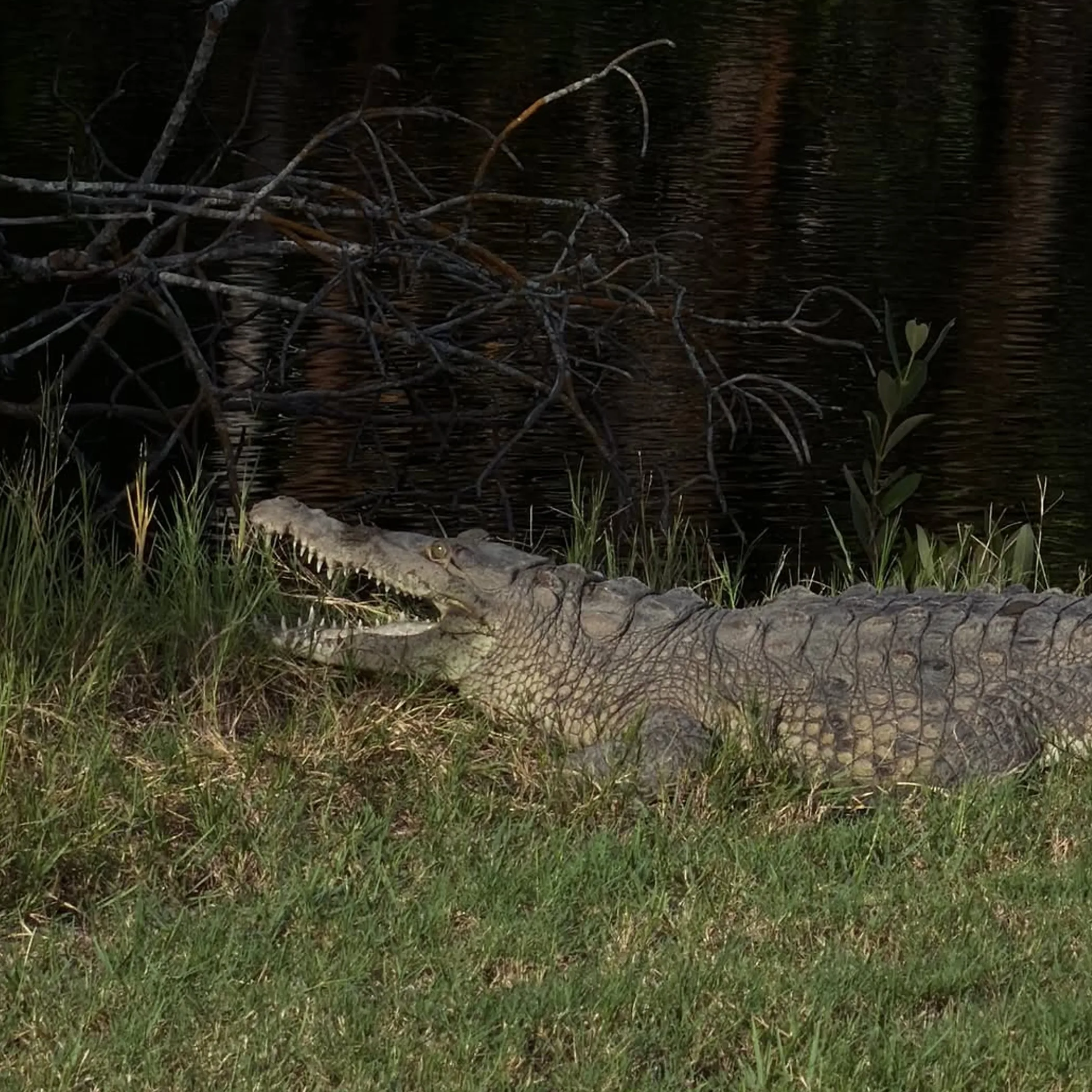
Make this the only part you read if you must. In the Top End even the most placid of waters can be home to a large reptile with nothing but patience. So the essence of Kakadu croc safety is to be aware, keep your distance and not do anything daft near the water. This is crucial for staying safe from crocodiles while fishing.
The advice for Kakadu is in line with the rest of the NT under the Be Crocwise banner: 5 metres minimum from the edge, no feeding or harassing of crocs, and exercise particular caution at creek mouths, floodplains and boat ramps. Where you see non-powered vessels prohibited, take it as meaning. Some areas have access restrictions for a reason.
- Assume all Top End waterways are inhabited by crocodiles, the popular ones included.
- Where the banks are low or obscured, or muddy, put more than 5 metres between yourself and the water.
- If conditions of the site permit, camp 50 metres from the water and above the high water mark line.
- Stick to the designated campgrounds and the rules of the park.
- At dawn, dusk and after dark be especially careful on the boat ramps crocodiles are wont to use.
- Unless the park authorities have made a site open for it, do not go for a swim.
- Do not stand in the shallows at the edge to clean your fish or put down your scraps.
- A leash for your pet is advisable near the water, though leaving them out of croc habitat altogether is best.
Why it is important
You will find prime habitat for crocodiles in a wetland as well known as Kakadu. There are freshwater varieties but the estuarine or saltwater type is the one to worry about; they will venture into fresh water and catch the unthinking traveller.
People are prone to think the risk is confined to a tidal river you can see coming. They are wrong. Come the wet season or in its aftermath, saltwater crocs will be found in inland billabongs, crossings and creeks. Conditions in the Top End alter in a hurry, and the crocs do too.
Expectation Vs Reality
You might think if there is no sign to the contrary then you are in the clear. In fact, a warning sign is exactly that, but the lack of one is not a free pass. Act as if a crocodile is close by in Kakadu unless you are in a managed swimming area that has been declared so.
The bank is dry so you can sit and make camp? Not necessarily. From the water a croc can make a move in short order and people have a habit of dawdling on low muddy edges to put away gear or get a photo.
Know The Rules First
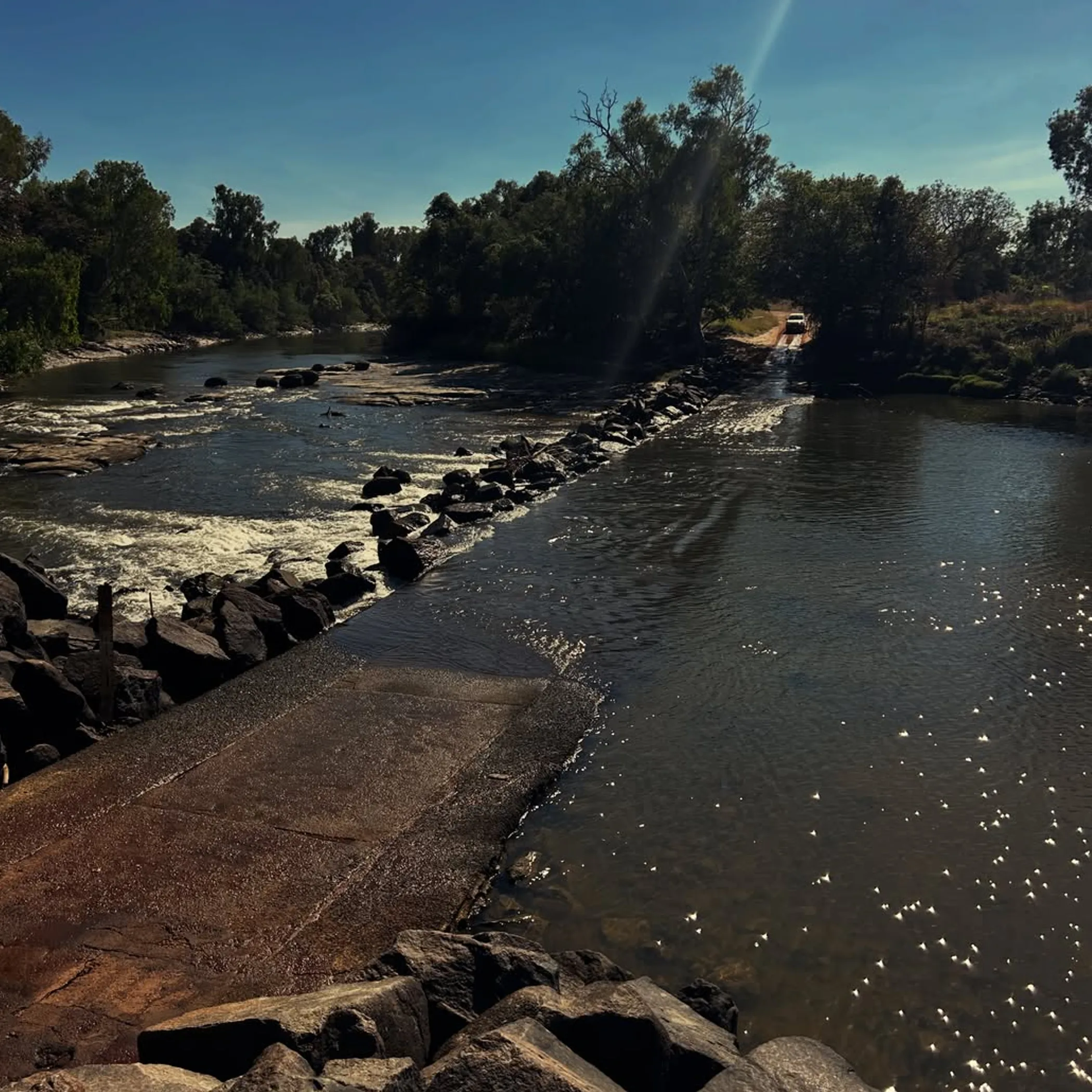
Before the billy is on the boil or you have loaded the tinnie and hitched the van, see what the current advice is on access and safety. Flooding, bushfire management and wildlife can make what was sensible yesterday a different matter today. Open in Kakadu is never synonymous with risk free.
Parks Australia is the authority on visitor access in the national park; for the official word on safety consult their visitor information. BeCrocwise of the NT Government and Northern Territory Parks and Wildlife put out the wider message. For current official park safety information, check Kakadu National Park visitor safety information from Parks Australia.
What the signs are telling you
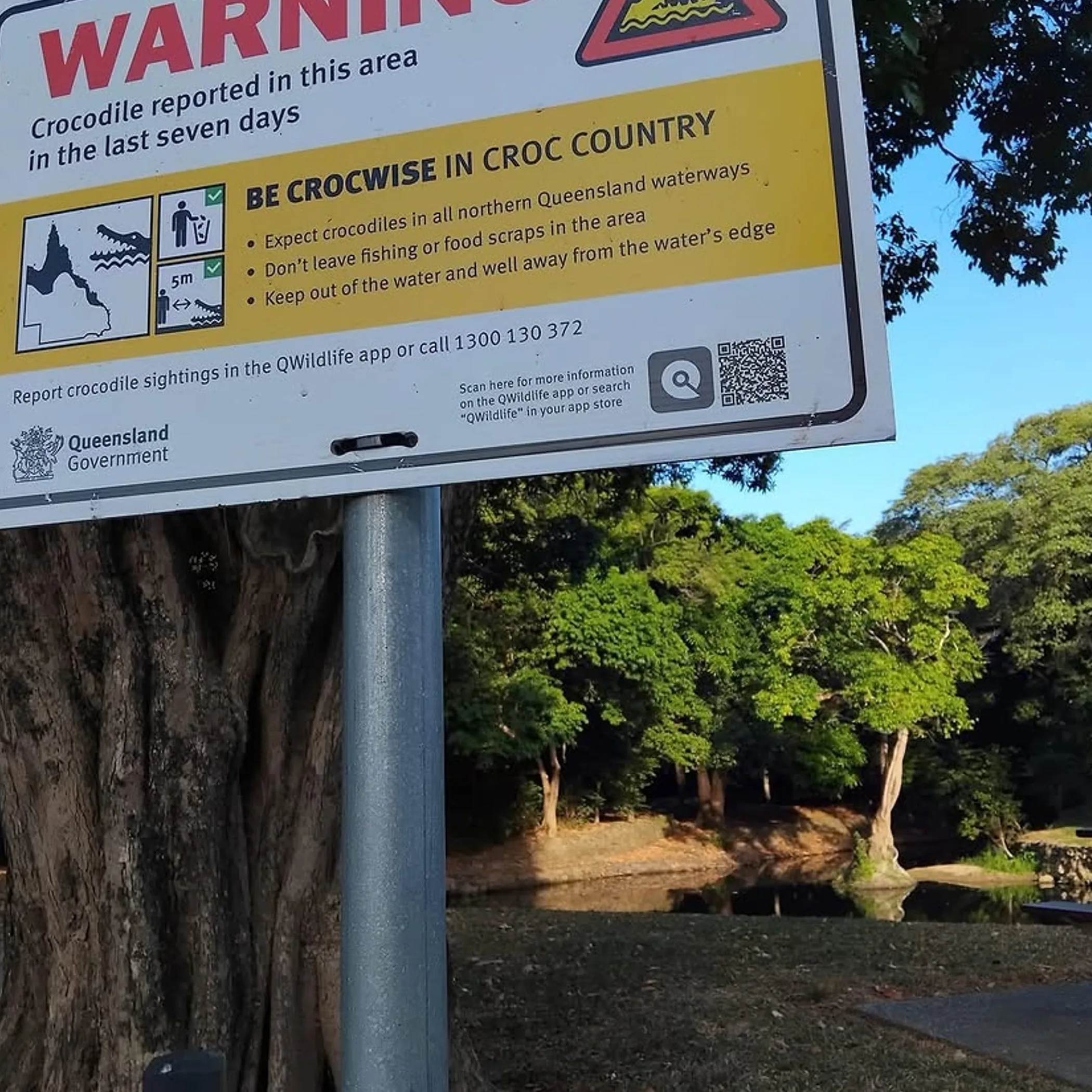
When you are faced with a sign prohibiting access, non-powered vessels or swimming, do not try to interpret it. That goes for your kayak, canoe or stand-up paddleboard in a restricted zone. When it comes to boating in Kakadu and heeding crocodile safety advice, the preference is for a stable craft with high sides. Low-profile vessels of the smaller variety are frowned on as they bring you unduly close to the waterline.
One has to be mindful of the ebb and flow of conditions at a managed location like Maguk; water levels, seasonal access or a croc sighting can alter things. A spot that was open last week may not be so after some rain. So put away any screenshots from an old trip and go by what the rangers and the notices on site have to say.
Boat Safety
It is a matter of boat design in crocodile country. High-sided boats with good gunwales will afford more distance from the water than low-sided ones, which is no small thing when one is over the side to put in a line or secure a rope. I was made aware of this in the north some years back. We had a fellow who reckoned a little open craft was “right for a quick flick” and it seemed adequate in the car park. Not so much once the light failed and the bank was all mud and you were crouching to get your gear in order near the edge.
For the Top End waterways, a powered aluminium with decent freeboard is the way to go in permitted areas. You want a stable deck, something to stand on and space to tuck your limbs in. Leave the inflatables and other low-slung recreational paraphernalia where they are; they are ill suited to a croc’s domain and in some places off limits altogether.
Should you be on a guided excursion or take out a hire, do not be shy about asking: how are launch and retrieval done? Are the passengers expected to wade into shallows? How tall are the sides? If the response is less than reassuring, make other arrangements.
A Safer Launch
Getting a boat in and out is perhaps the most practical concern in Kakadu. The ramp is where you will find crocs patrolling, drawn by the noise, the smell of food and fish scraps, and people with their backs to the water otherwise occupied.
Do not load up the eskies and rods on the ramp’s slippery lip, do it in the parking area. Make short work of it and see that children are well clear or in the vehicle. And there is no need to be standing in the water to the ankle because it is easier on the trailer. Easier for whom?
Camping
In Kakadu, crocodile safety while camping is often a question of not being lazy. After a hot day a flat piece of ground next to the water is tempting, but official counsel is to stay away from such spots. The rule of thumb is 50 metres from the water and above the high water mark. And do not think to put up a bush camp of your own making; the restrictions in place for those in rooftop tents are for environmental and safety considerations.
Book into one of the official camping areas in the National Park and give the site notes a read. Some have better separation from the waterways and fewer visitors making a hash of food handling. It is of more consequence than the dunny block being anything but plain.
With only a day in Kakadu and an overnight planned, an established campground with easy vehicle access and a short walk to facilities is worth the effort. There is no point mucking about in the dark. First time here is not the occasion for a “we’ll wing it” approach.
And then there is the matter of night time habits. What gets people into trouble is not just how far they are from the water but what they do once the sun is down. Washing up and unattended rubbish too nigh to the camp, or going for a night of fishing, is inviting risk. Do not let a splash and a head torch lure you to the bank out of curiosity.
Make sure food is put away, any mess is dealt with and children are in close attendance. When you have a dog along for the trip, a leash by the water is the least one should expect of a pet; but there are times when the prudent thing is to leave pets out of croc country altogether. They do not require much prompting.
A Line in the Water
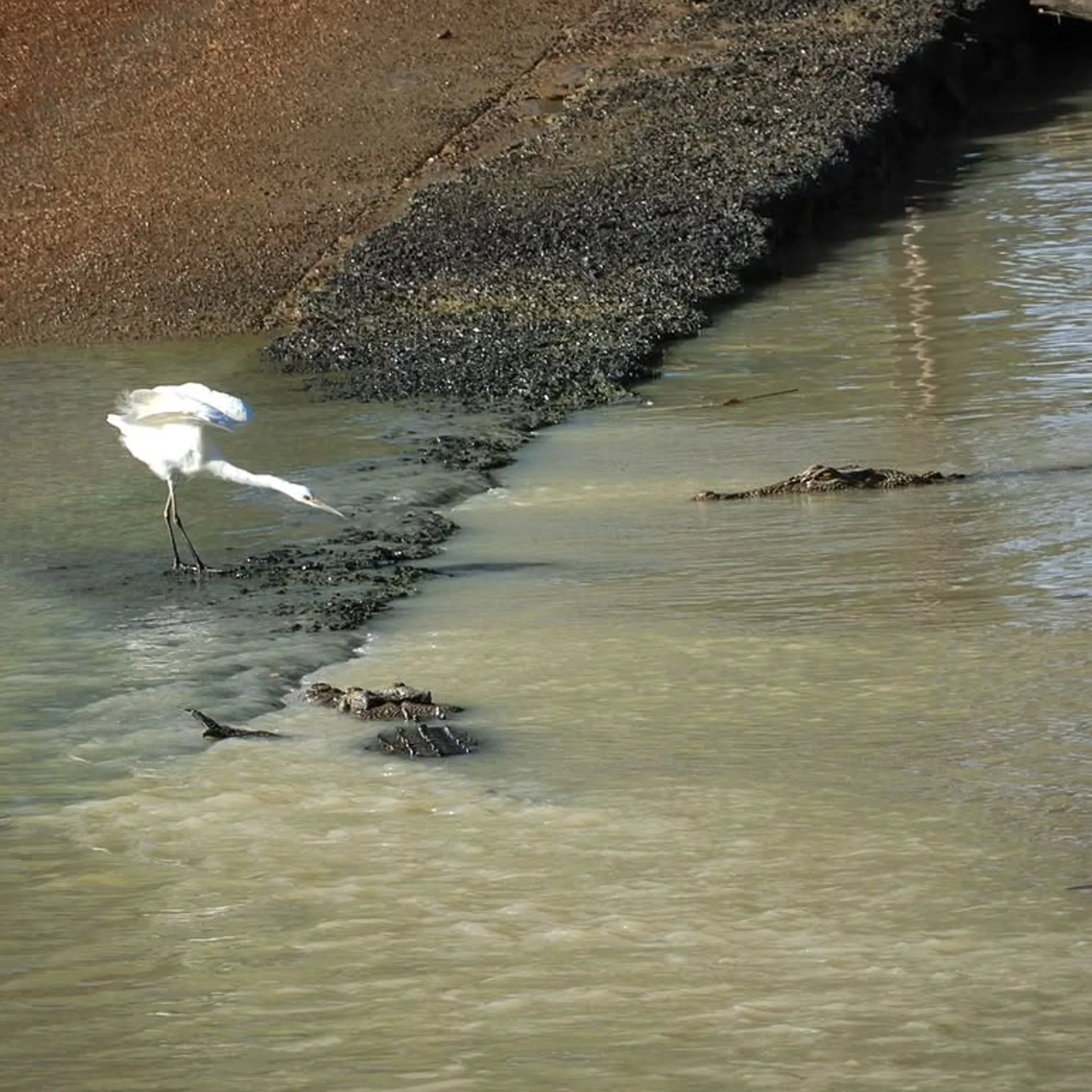
Some make it north for the quiet of the river and to fish. We can understand that. Yet to be safe from crocodiles an angler has to forgo some of the habits he would not think twice about in other parts of Australia.
Do not be in the water or on a low muddy bank to cast, nor dangle your feet from the boat. The same goes for cleaning a fish at the edge or discarding bait and the like where others camp or put in. It is bad form and hazardous.
Anglers Make Their Own Mistakes
One is prone to lose all sense of one’s surroundings in pursuit of a fish. I have seen them putter up to a bank for what seems a good angle on the cast and then crouch down with their tackle tray in full view. In the Top End convenience will not be your friend.
Choose an open spot with some elevation and an easy way back. Daylight fishing is preferable. Avoid the reeds and undercut banks. If a place is too narrow or still, or you can step in without trouble, it is not a wise choice.
Crossings Are No Joke
There is talk of Cahills Crossing as if it were something to be conquered. It is not a novelty. A working crossing in crocodile territory with its currents and history of vehicles getting into trouble and people acting recklessly, it is as unyielding as a spring magpie.
Resist the urge to go to the water’s edge for a photograph or to ogle a vehicle that has been left high and dry. Crocodiles are a regular sight and conditions have a way of turning. Should Arnhem Land or some of the vantage points figure in your itinerary, get your permits in order, see what the conditions are and do not be in a hurry to beat the map.
Allow Some Time
On paper the distances in Kakadu seem no great matter, but you are not driving in the city. Factor in the heat, corrugations, a few photo stops, seasonal road closures and wildlife. What appears to be a straight shot on a map can eat into your day.
A road trip from Darwin is a full day’s work once you have made your check-ins and put in fuel and food. Put aside money for park passes, ice, a campground and a margin for weather or a detour; you will find cheap planning costs you down the track.
Encountering a Crocodile
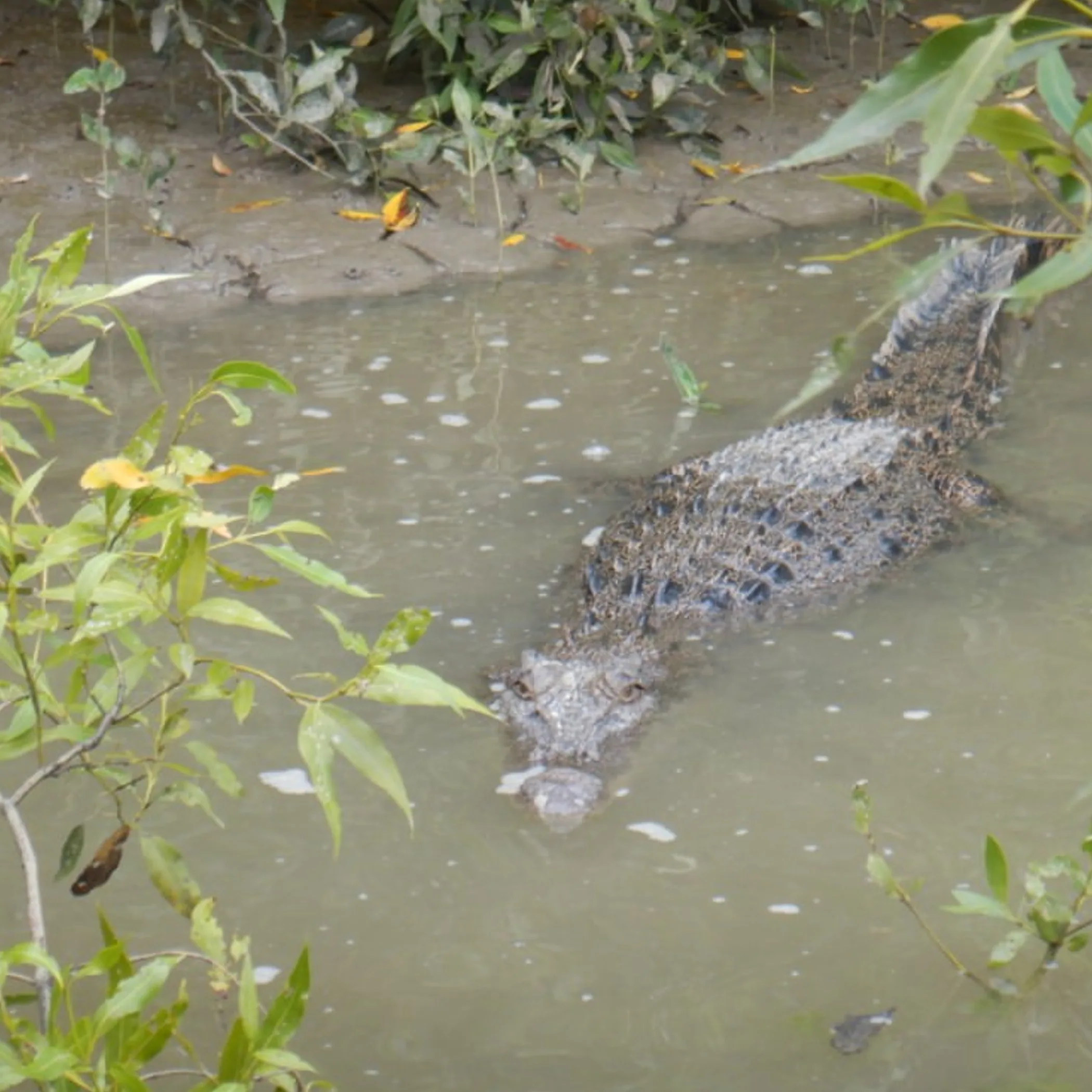
It is not an emergency simply because you have laid eyes on one. But to act the fool is to invite trouble. Calmly withdraw and put some distance between yourself and the animal, do not hang around for a picture or to decide if it is “only a freshwater”.
Should the crocodile show aggression or be in evidence where visitors might be tempted to wade in, put in a report via the NT or park authorities. It is the way they keep tabs on risk at the more frequented sites.
And in the event of an incident, 000 is the number to put through when you can. Do not go in after your gear or a pet. Should you have a close call, put some distance between any onlookers and the edge of the scene to let responders do their work.
Before setting off in Kakadu where reception is apt to be unreliable, make sure someone knows your route. One can be overly optimistic with a smartphone but a sound emergency plan is still called for; the bush is indifferent to how many bars were on the screen ten minutes prior.
Do’s And Don’ts
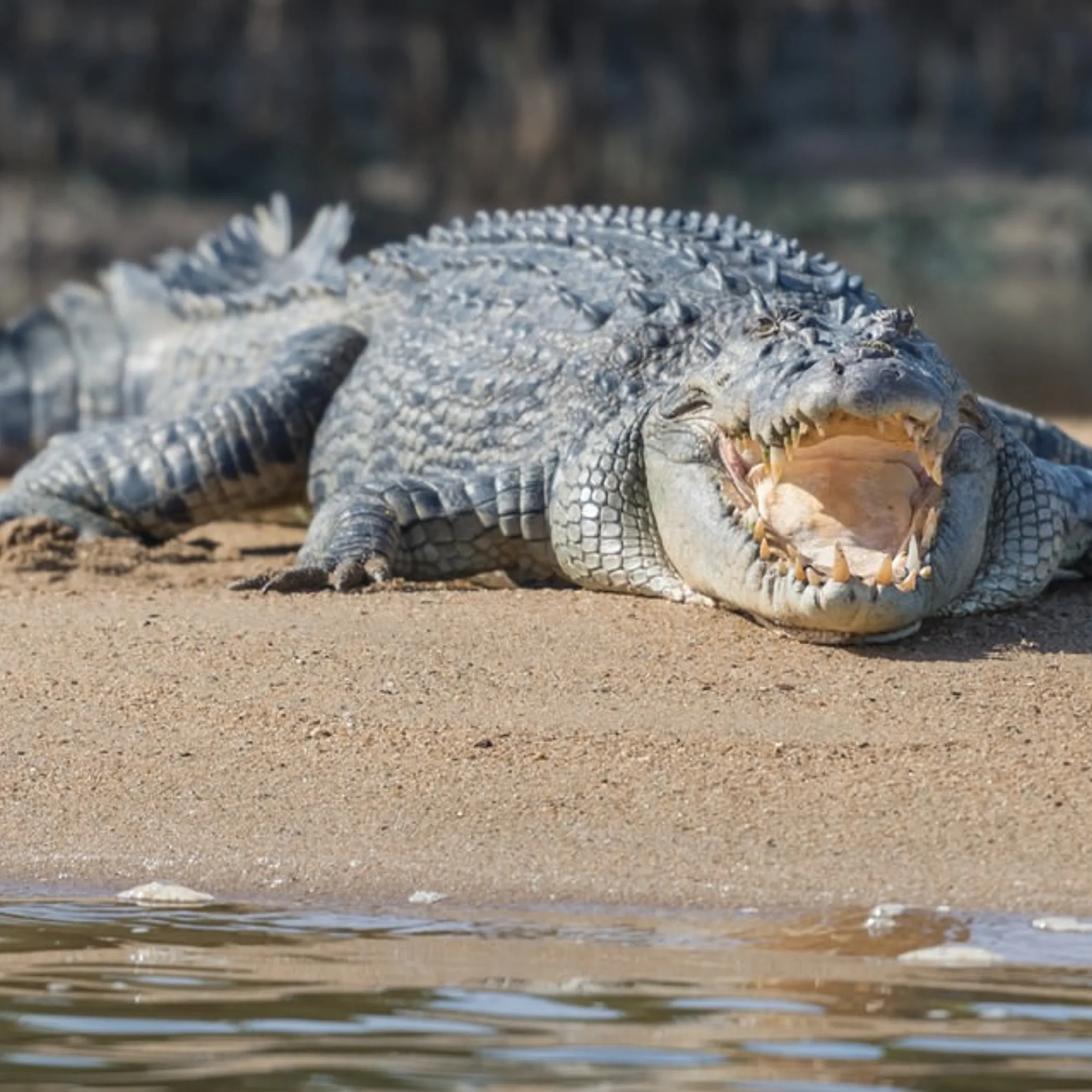
For those who prefer it uncluttered, the following is the plain facts of the matter. Be Crocwise habits are ones you will want to have at every stop in Kakadu, the well known as much as not.
- Make the assumption that there are crocodiles in any natural waterway.
- Stay off the bank and allow the muddy edges room.
- Stick to the camping rules of the park and use the campgrounds provided.
- Have your gear ready away from the ramp for an efficient launch or retrieval.
- In waters where it is allowed, opt for a boat with higher sides and good stability.
- Under no circumstances should one go up to a crocodile to feed, bait, tease or get a photograph.
- There is no swimming or wading at the edge unless the site is open and managed for it.
- Food and fish waste or other rubbish has no place by the ramps or camp.
- See that pets and children are not left to wander near the water.
- After dark, fishing or mucking about at the water line is out.
Questions we hear most from travellers bound for Kakadu
They are fair questions since the NT’s crocwise advice is best put into terms of a travel decision.
Free Camping In Kakadu?
You will not find it just where you please. Park rules dictate you camp in an approved area or designated campground. It is a matter of visitor management and crocodile safety in Kakadu; the official areas are run with more care than a random spot on the river.
Crocodiles in the National Park?
You bet. Saltwater and freshwater varieties make their home in Kakadu. Unless an authority says otherwise at a managed site, assume they are in all the Top End waterways.
Is Camping An Option?
Yes, in the designated and approved visitor areas of the park, provided access and seasonal conditions permit and you have made the necessary bookings. Heed the safety instructions and pick a site some way back from the water.
The Death Toll At Cahills Crossing
Media reports of fatalities at Cahills Crossing tend to be at odds with one another and the figures change, so I am not going to proffer an unverified count. For your purposes it is enough to know the crossing has a record of serious incidents with water and crocodiles and warrants extreme caution.
Beginners To Boating Or Camping?
Not everything in Kakadu is suited to them. A guided cruise or an established campground is fine for most. But if you are yet to master the basics of bush and water safety, leave the unfamiliar ramps and remote fishing in crocodile country to others.
A Word From Isla
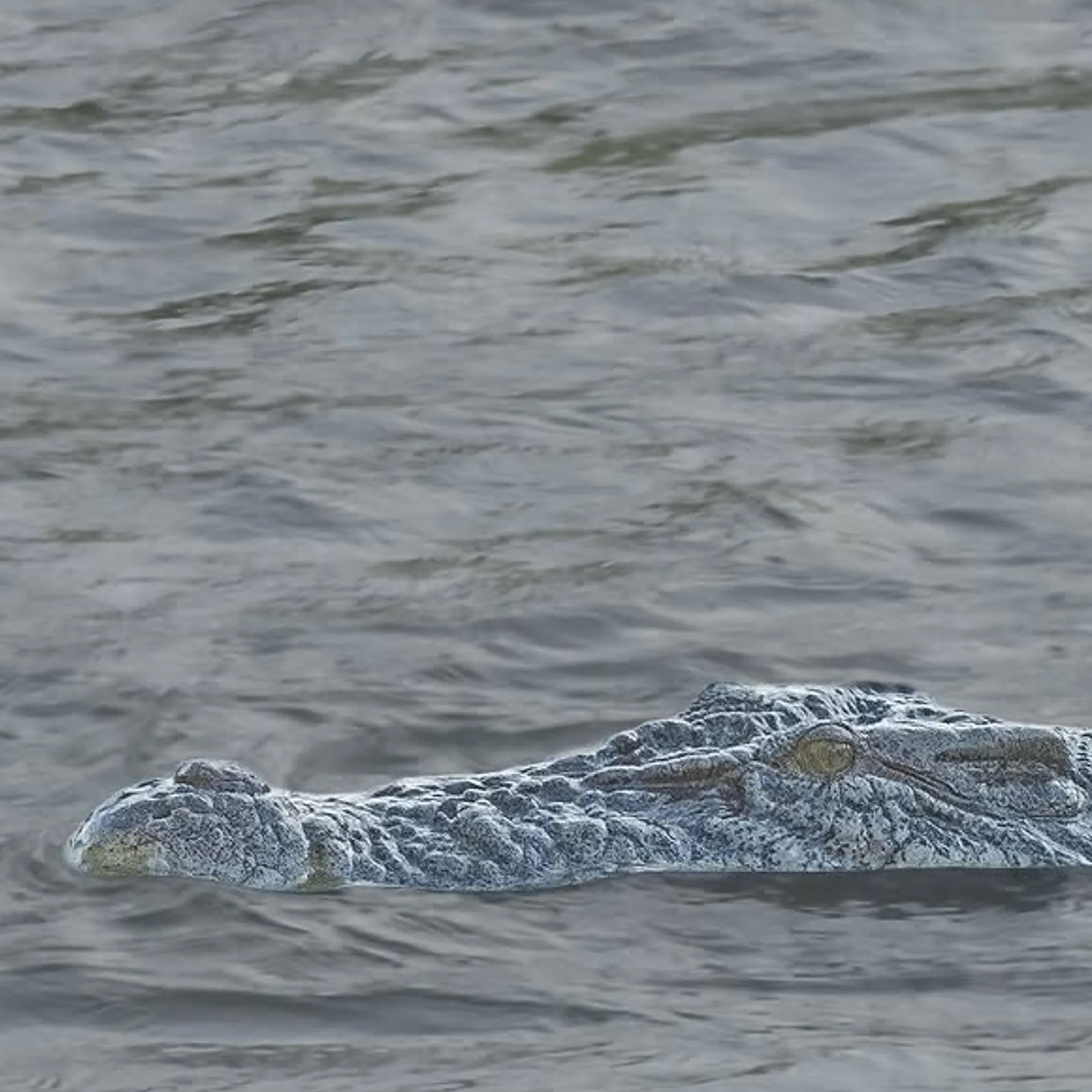
You do not forget Kakadu: the paperbarks in the late light, the big skies, the quiet of a billabong and the peculiar hush of the north. Yet the boldest are not always the smartest here. Those who have the respect for the place and its rules know that in croc country caution is better currency than confidence.
So when you put together your boats and rods and camp chairs for a couple of days under the stars, keep it simple. Let common sense prevail, give the water a wide berth and follow the signs. There is nothing paranoid about being croc-wise in the Top End, it is merely good sense.